Introduction: Why AI-Driven Fleet Monitoring Is Reshaping Operations
AI-driven fleet monitoring uses machine learning, predictive analytics, and telematics to reduce downtime and prevent unexpected breakdowns. Instead of reacting to mechanical failures after they occur, modern fleet systems analyze real-time vehicle data to predict issues before they disrupt operations. As supply chains become more complex and customer expectations rise, proactive fleet maintenance is no longer optional—it’s a competitive requirement.
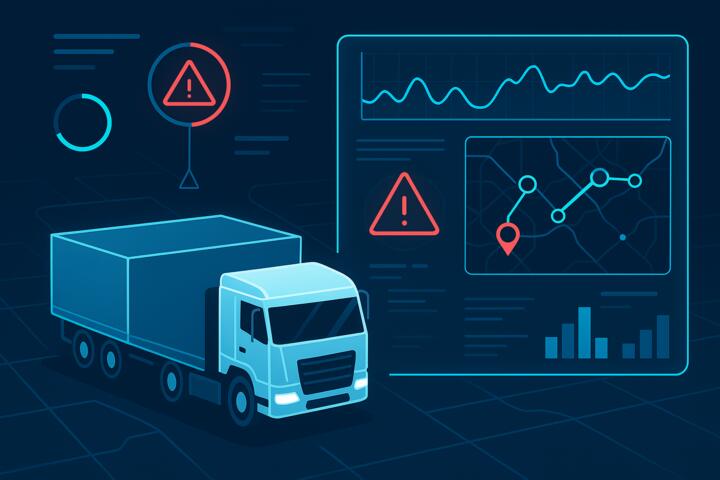
Companies like UPS, Volvo Trucks, and FedEx rely on AI to detect mechanical issues early, optimize routes, and enhance driver safety. The logistics industry is shifting from reactive repairs to predictive intelligence, and fleet managers who embrace AI are seeing significant improvements in cost control and vehicle uptime.
What Is AI-Driven Fleet Monitoring?
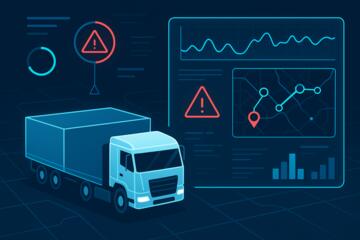
AI-driven fleet monitoring integrates telematics, IoT sensors, GPS systems, and machine-learning models to track vehicle performance in real time. These systems analyze millions of data points, including:
-
Engine temperature
-
Battery health
-
Tire pressure
-
Fuel usage
-
Vibration patterns
-
Driving behavior
-
Diagnostic trouble codes (DTCs)
Machine-learning algorithms identify patterns that signal early signs of failure, allowing fleet teams to schedule repairs before costly breakdowns occur.
Popular solutions include Geotab, Samsara, Verizon Connect, and Trimble, all of which combine hardware sensors with AI-based analytics.
How Machine Learning Reduces Fleet Downtime
1. Predictive Maintenance Instead of Scheduled Maintenance
Traditional fleet maintenance follows fixed schedules:
-
Every 10,000 miles
-
Once per quarter
-
Based on OEM recommendations
The problem?
Not all vehicles degrade the same way.
AI analyzes real-world conditions such as:
-
Driving routes
-
Load weight
-
Weather patterns
-
Engine performance
-
Idling levels
-
Driver behavior
This enables intelligent, personalized maintenance schedules. According to a study by Deloitte, predictive maintenance reduces breakdowns by up to 45% and maintenance costs by 25%.
2. Early Detection of Critical Failures
Machine-learning models identify subtle anomalies such as:
-
Increased vibration in wheel hubs
-
Gradual engine temperature rise
-
Fuel efficiency drop
-
Battery voltage irregularities
-
Transmission slip patterns
These micro-trends are invisible to humans but clear to ML algorithms.
UPS reported saving $100 million annually through early detection of battery-related failures in its delivery fleet.
3. Real-Time Fault Code Interpretation
Most fleet managers are familiar with generic fault codes like P0420 or P0301.
AI systems interpret these codes contextually:
-
How severe is the issue?
-
Can the vehicle finish its route?
-
Has this issue happened before?
-
What’s the expected failure timeline?
This avoids unnecessary shop visits and prevents mid-route breakdowns.
4. Intelligent Parts and Inventory Forecasting
AI predicts:
-
Which parts will fail soon
-
When replacement stock is needed
-
Which locations need parts most
Brands like Volvo Uptime Solutions use predictive analytics to ship parts before a truck arrives at the service center, reducing repair downtime dramatically.
How AI Improves Fleet Safety and Driver Performance
1. Behavioral Monitoring With Machine Learning
AI identifies unsafe driving behaviors such as:
-
Harsh braking
-
Rapid acceleration
-
Cornering at unsafe speeds
-
Excessive idling
-
Distracted driving signals (via dashcams)
Systems like Samsara use computer vision to detect phone usage or fatigue, then alert drivers instantly.
2. Accident Prevention Through Real-Time Alerts
AI sends alerts for:
-
Collision risks
-
Unsafe proximity
-
Blind spot detection
-
Lane drifting
-
Following distance violations
According to the National Highway Traffic Safety Administration (NHTSA), real-time driver assist systems can reduce accidents by 23%.
3. Enhanced Route Optimization
AI evaluates factors such as:
-
Traffic conditions
-
Weather disruptions
-
Vehicle health
-
Delivery windows
-
Road restrictions
ML-powered routing can reduce mileage by 5–15%, lowering:
-
Fuel usage
-
Wear and tear
-
Driver fatigue
4. Compliance Automation
AI systems help managers maintain compliance with:
-
Hours-of-service (HOS) rules
-
DVIR inspections
-
Emissions regulations
-
Safety audits
This reduces human error and improves audit readiness.
Key Benefits of AI-Driven Fleet Monitoring
Reduced Downtime
By predicting failures early, fleets avoid major breakdowns and stay operational.
Lower Maintenance Costs
Less reactive repair work, fewer roadside calls, and reduced emergency part orders.
Better Fuel Efficiency
ML optimizes driving behaviors and route planning, cutting fuel waste.
Extended Vehicle Lifespan
AI ensures timely maintenance, reducing engine wear and mechanical stress.
Improved Driver Safety
Dashcams, wearables, and behavior models reduce accidents and insurance claims.
Higher Operational Visibility
Managers gain complete real-time insight into every vehicle.
How to Implement AI Fleet Monitoring in Your Organization
1. Conduct a Fleet Data Audit
Before adopting AI, review:
-
Telematics data quality
-
Vehicle health logs
-
Breakdown records
-
Driver performance metrics
-
Maintenance history
AI needs clean, consistent data to train effectively.
2. Choose an AI Fleet Platform
Look for systems that offer:
-
Predictive maintenance models
-
Driver safety analytics
-
Dashcam integration
-
Open API connectivity
-
Real-time alerts
-
Accurate diagnostics
Top providers include Samsara, Geotab, FleetComplete, and Verizon Connect.
3. Install Sensors and Telematics Devices
Key components include:
-
GPS trackers
-
Engine control module (ECM) scanners
-
Tire pressure sensors
-
Temperature sensors for perishable goods
-
Cabin-facing and road-facing cameras
4. Integrate With Your Existing Systems
Most fleets use multiple platforms.
Ensure seamless integration with:
-
Maintenance management (CMMS)
-
ERP systems
-
Dispatching software
-
Fuel card systems
-
Inventory tracking
5. Train Drivers and Technicians
AI works best with human collaboration.
Provide training on:
-
Alerts
-
Dashcam systems
-
Maintenance workflows
-
Safety practices
6. Monitor KPIs
Track:
-
Breakdown frequency
-
Unplanned downtime
-
Fuel efficiency
-
Cost per mile
-
Driver safety scores
-
Maintenance intervals
Adjust models continuously based on new insights.
Common Mistakes to Avoid When Using AI Fleet Monitoring
Mistake 1: Not Using Enough Data
AI accuracy depends on the volume and quality of data collected.
Mistake 2: Ignoring Driver Training
Technology is powerful, but drivers need to understand how alerts and monitoring work.
Mistake 3: Over-Automating Too Quickly
Start with a pilot program before rolling out fleet-wide.
Mistake 4: Poor Sensor Maintenance
Faulty sensors produce unreliable data, reducing model accuracy.
Mistake 5: Focusing Only on Cost Savings
AI improves safety, compliance, and workforce culture—not just budgets.
Author’s Insight
I once worked with a mid-sized logistics company that struggled with sudden breakdowns—especially during peak season. Their trucks often ran overloaded routes, and maintenance logs were reactive rather than predictive. After implementing an AI-driven fleet monitoring solution using Geotab and custom ML models, the company saw a 38% reduction in unplanned breakdowns within six months.
What impressed the CFO most wasn’t only the cost savings but the operational stability. Deliveries became more predictable, drivers felt safer, and maintenance teams could focus on strategic improvements rather than crisis repairs.
The lesson: AI-driven fleet monitoring pays for itself quickly, but only when combined with discipline and data transparency.
Conclusion
AI-driven fleet monitoring is transforming how organizations reduce downtime, prevent breakdowns, and maintain operational efficiency. By using machine learning to analyze real-time telematics data, companies gain early insight into mechanical risks, better route planning, and improved driver safety. As fleets become more connected and autonomous, AI will continue to play a critical role in ensuring reliability and productivity.
For fleet managers looking to stay competitive, adopting AI-driven monitoring is no longer optional—it is the future of efficient operations.