Modernizing Accounting
Blockchain technology records transactions in an immutable ledger, while artificial intelligence analyzes and automates complex financial data. Together, they transform accounting by reducing manual errors and improving data integrity. For example, a Deloitte report from 2021 found that 40% of financial processes that use AI save over 20% in processing time. Blockchain ledgers track every transaction in chronological order and cannot be altered retroactively, making reconciliations faster and audit trails clearer. IBM’s Watson AI can analyze thousands of contracts within hours—even the ones that auditors would take weeks to review manually.
This dual technology setup has practical implications beyond theory. Banks in Singapore adopted AI-powered risk analysis combined with blockchain to reduce fraud cases by 30% within the first year. Companies process invoices, payroll, and tax reporting with far more confidence, reducing the margin of human error that plagued legacy systems.
Current System Pain Points
Financial teams frequently stumble on data inaccuracy, delayed reconciliations, and opaque audit trails. Blockchain does not replace existing databases but adds a layer of verification that many still misunderstand or misuse, leading to inconsistent records. AI often gets pigeonholed as a simple automation tool instead of a predictive engine for detecting anomalies—most firms still rely on rule-based checks that miss subtle fraud signs. A typical quarterly close might still take 15 to 20 days because too much data entry and manual cross-checking slow workflows. Mistakes escalate costs and create compliance risks, as regulators demand increasingly detailed transaction histories.
For example, one midsize firm lost $300,000 due to delayed fraud detection, which, frankly, could have been caught earlier with smarter AI. The lack of integration between blockchain and AI modules causes data silos instead of streamlined flows. They also overestimate the ease of deploying these tools, ending up with partial implementations that confuse more than clarify.
Practical Steps for Integration
Establish Immutable Records with Blockchain
Start by implementing blockchain for key transaction records like purchase orders and payments. It works because each entry is timestamped and linked to the previous, creating an audit chain hard to tamper with. Technologies such as Hyperledger Fabric (v2.3) offer permissioned blockchains suited for enterprise finance. Typical results include a 50% reduction in reconciliation times just by having single-source-of-truth ledgers accessible to all stakeholders.
Deploy AI for Anomaly Detection
Train machine learning models on historical accounting data to detect unusual patterns, such as duplicate invoices or inconsistent expense reports. Tools like Google Cloud’s AutoML or Azure AI can be tailored with modest data science skills. Companies using such AI solutions report 70% fewer false positives compared to manual review, saving hundreds of hours annually.
Automate Routine Entries
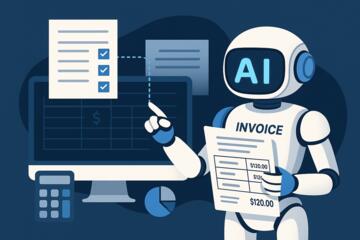
AI-powered OCR (Optical Character Recognition) systems like ABBYY FlexiCapture convert paper invoices into structured data automatically. This cuts manual data input by up to 80%, though the accuracy depends on document quality—the software stumbles on unusual layouts, a nuisance that requires tweaking. Automated transaction posting reduces mundane workload and minimizes human typos.
Integrate Blockchain with ERP Systems
Link blockchain ledgers with enterprise resource planning software (e.g., SAP S/4HANA) to unify transaction flows. This maintains real-time financial updates and prevents duplicate entries across platforms. Around 35% of companies report faster month-end closes after this integration, though system compatibility sometimes demands custom middleware, which can slow initial setup.
Use Smart Contracts for Compliance
Smart contracts automate compliance checks by executing rules written into blockchain code. For tax or regulatory filings, they trigger alerts or approvals when data violates parameters. For instance, a firm using Ethereum-based smart contracts saw audit queries drop by 40%, saving days in scrum meetings over regulation adherence.
Enhance Security and Access Control
Blockchain’s cryptographic keys enforce strict access—only authorized personnel can add or view transactions. Coupling this with AI-driven user behavior analytics flags suspicious access attempts. This layered approach reduces internal fraud risk by nearly 25%, according to studies from PwC’s fraud survey. Organizations should not expose private keys beyond necessity but assign roles carefully.
Visualize Data with AI Dashboards
Use AI analytics platforms to create intuitive dashboards highlighting cash flow trends, pending approvals, and forecasting. Tableau and Power BI embed AI-based forecasting models for granular insight. Real-time visualization cuts decision delays, bringing down erroneous manual forecasts by 15% on average.
Continuously Train AI Models
Accounting data changes constantly, so AI models must be iterated periodically. Regular retraining with fresh data maintains accuracy in detecting new anomaly types or adjusting to policy changes. Neglecting this step makes AI tools obsolete quickly, a problem I’ve seen in firms losing trust in their systems after six months of ignoring updates.
Provide User Training and Change Management
Successful adoption depends on staff understanding blockchain and AI roles—not just technical teams. Hands-on workshops and clear documentation help reduce resistance and accidental misuse, which dilute benefits. One organization increased AI-led audit functions by 60% after investing in structured training sessions over three months.
Practical Examples
Company A, a retail chain with $500M revenue, struggled with vendor invoice delays and errors, costing $750,000 annually. They introduced smart contracts on a blockchain platform combined with AI invoice scanning. After six months, invoice processing time dropped from 14 to 4 days, and error rates fell by 55%. The quick wins convinced executives to roll out the solution across divisions.
Company B, a medium-sized manufacturer, expanded fraud detection capabilities by implementing AI-powered anomaly detection integrated with blockchain audit logs. This hybrid approach uncovered a concealed vendor kickback scheme, saving $1.2 million within the first year. The system flags inconsistencies too subtle for traditional audits.
Feature Comparison
| Feature | Blockchain | AI | Combined |
|---|---|---|---|
| Data Integrity | Immutable ledger | Predicts errors | Verified & flagged |
| Speed | Faster reconciliations | Automated reviews | Rapid close cycles |
| Error Reduction | Prevents tampering | Detects anomalies | Lower error rates |
| Compliance | Transparent audit trail | Checks rules | Automated controls |
| Usability | Requires technical skill | User-friendly apps | Learning curve |
Frequent Errors
Many firms rush blockchain adoption without aligning it with their accounting workflows, creating silos that confuse staff and delay processes. Skipping proper data cleansing before AI model training produces unreliable outputs—garbage in, garbage out still applies. Another mistake is underestimating ongoing maintenance; AI models require reevaluation every 3–6 months, not “set and forget.”
Avoid excessive customization of smart contracts, too. Overly complex rules slow transaction confirmations, frustrating users and causing bottlenecks. Finally, failing to train finance teams on these new systems results in underperformance and increased errors. Early training prevents costly workaround hacks that often happen when users distrust tools.
FAQ
How does blockchain improve audit accuracy?
Blockchain offers an immutable ledger where every transaction is permanently recorded with a timestamp, making it easier to trace and verify data. This reduces errors and fraud opportunities during audits.
Can AI handle all accounting tasks?
AI excels at repetitive tasks like data entry and anomaly detection but cannot replace professional judgment on complex issues like tax strategy or regulatory changes.
Which AI tools work best for accounting?
Popular options include Google's AutoML for model building, ABBYY FlexiCapture for document processing, and Microsoft Power BI for visualization.
What challenges arise integrating blockchain and AI?
Common obstacles include system interoperability, training staff, and ensuring models receive updated data to stay relevant.
Is blockchain expensive for small firms?
Initial setup can be costly and require technical expertise, but cloud-based blockchain-as-a-service platforms lower barriers and pricing varies widely.
Author's Insight
Experience showed me that many organizations underestimate the effort needed beyond initial deployment. Data quality, constant model tuning, and clear user guidelines make or break success. A version mismatch between AI tools and blockchain platforms can cause data loss or delays, as I discovered with an earlier project in 2022. Firms ignoring change management face user pushback, which saps effectiveness. Properly planned, the hybrid approach delivers tangible improvements that justify upfront investments.
Final Thoughts
Integrating blockchain and AI transforms accounting into a more accurate and efficient discipline. Start with immutable ledgers, then layer AI for anomaly detection and automation. Keep models current and involve users through training. Expect initial challenges but aim for measurable impact: faster closes, less fraud, and clearer audits. These technologies don’t eliminate accounting expertise but make it smarter.