Introduction: Why Machine Learning Matters for Contract Risk Detection
Machine learning for detecting contractual risks is reshaping how legal teams, procurement departments, and compliance officers evaluate agreements. Traditional contract review relies on time-consuming manual reading, which often allows ambiguities, inconsistencies, and non-standard provisions to slip through. With ML, organizations can analyze thousands of contracts in minutes, surface risk patterns, and ensure alignment with internal standards and regulations.
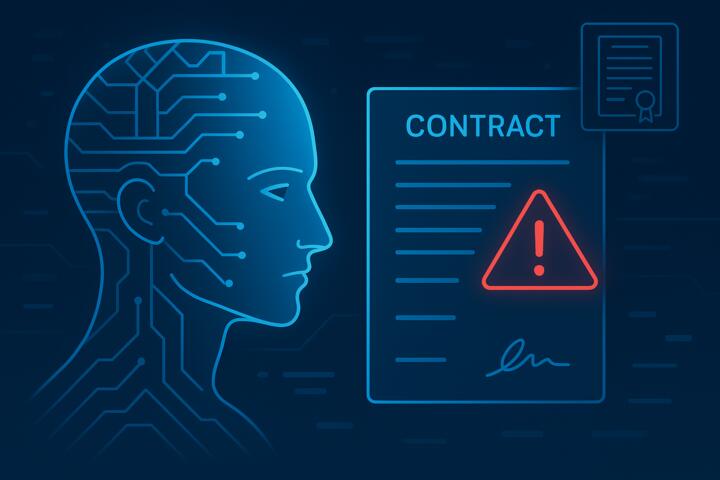
Major companies and institutions—like Harvard, Microsoft, DLA Piper, and Accenture—use AI-driven contract analytics tools to accelerate due diligence, optimize negotiations, and reduce legal exposure.
What Is Machine Learning for Contract Risk Detection?
Machine learning for contractual risk detection involves training algorithms to recognize clauses, obligations, financial exposures, and legal inconsistencies that may pose a threat to the business. These systems analyze:
-
Contract language
-
Clause variations
-
Historical disputes
-
Regulatory requirements
-
Entity-specific guidelines
-
Negotiation outcomes
-
Industry benchmarks
ML models learn from past examples and continuously improve as new contracts are added.
Common platforms include:
-
Kira Systems
-
Luminance
-
Ironclad Insights
-
Evisort
-
ThoughtRiver
These tools help automate contract review, error detection, and compliance evaluation.
How Machine Learning Detects Contract Risks
1. Clause Classification and Comparison
ML algorithms identify specific clauses, such as:
-
Indemnification
-
Limitation of liability
-
Termination
-
Confidentiality
-
Governing law
-
Payment terms
The system compares them to standard clause libraries, flagging deviations.
For example:
-
Missing indemnification protections
-
Liability caps that exceed policy
-
Non-standard termination triggers
This significantly reduces oversight errors.
2. Identifying Ambiguous or Risky Language
Machine learning models detect words and phrases that historically correlate with disputes, such as:
-
Vague obligations (“reasonable efforts,” “as soon as practicable”)
-
Open-ended commitments
-
Undefined deliverables
-
One-sided terms
Research from the Harvard Program on Negotiation shows that ambiguity is a primary factor in contract disputes. ML helps highlight unclear language early.
3. Predictive Risk Scoring
AI evaluates the risk level of each clause or contract by analyzing:
-
Clause strength
-
Financial exposure
-
Compliance alignment
-
Jurisdictional risks
-
Negotiation history
-
Vendor reliability
This allows legal teams to prioritize review efforts and address critical risks first.
4. Detecting Missing Clauses
ML models verify that essential clauses are present, such as:
-
Data protection (GDPR/CCPA)
-
Insurance requirements
-
IP ownership
-
Confidentiality
-
Audit rights
Missing clauses are one of the most common sources of regulatory violations.
5. Regulatory Compliance Checks
Machine learning helps ensure that contracts meet:
-
GDPR
-
HIPAA
-
SOC 2
-
PCI-DSS
-
Industry-specific rules
Tools like Evisort automatically update compliance models based on new regulations.
6. Cross-Document Consistency Analysis
ML checks consistency across related documents:
-
SOWs
-
Master agreements
-
Amendments
-
NDAs
-
Purchase orders
This prevents misalignment that often leads to operational failures.
7. Fraud and Anomaly Detection
AI flags unusual terms or patterns, such as:
-
Sudden changes in clause language
-
Terms inconsistent with past versions
-
Suspicious vendor edits
-
Inconsistent pricing or dates
Machine-learning-driven anomaly detection is widely used by financial institutions and legal teams during due diligence.
Why Machine Learning Improves Contract Review Speed and Accuracy
1. Faster Contract Review Cycles
AI reduces review time from hours to minutes.
According to a study by Deloitte, AI-based contract review can cut analysis time by 60–90%.
2. Higher Accuracy and Lower Human Error
Manual review fatigue leads to mistakes.
ML models process contracts consistently regardless of volume or complexity.
3. Continuous Learning and Improvement
ML tools improve as they analyze more documents, adapting to:
-
New clause variations
-
Organization-specific rules
-
Emerging risk patterns
4. Scalable Across Thousands of Documents
From procurement contracts to NDAs, AI can analyze large repositories instantly.
5. Significant Cost Reduction
AI reduces:
-
Outside counsel spend
-
Delays in negotiations
-
Risk of litigation
-
Compliance penalties
Companies using ML in contract review report an average 30–50% reduction in legal operations cost.
How Organizations Use Machine Learning in Contract Management
1. Corporate Legal Departments
AI helps teams:
-
Standardize contracts
-
Reduce bottlenecks
-
Ensure policy adherence
2. Procurement Teams
ML identifies:
-
Vendor risks
-
Unfavorable payment terms
-
Delivery obligations
3. Financial Institutions
Banks use AI to review:
-
Loan agreements
-
Derivatives contracts
-
Investment documents
4. M&A Due Diligence
AI accelerates:
-
Deal risk analysis
-
Contract summarization
-
Compliance reviews
Firms like KPMG and EY use ML-based contract review during acquisitions.
5. Compliance and Risk Management
ML ensures ongoing monitoring and audits.
How to Implement Machine Learning for Contractual Risk Detection
Step 1: Audit Your Existing Contract Processes
Identify:
-
Contract types
-
Review bottlenecks
-
Common disputes
-
Missing clauses
-
Inconsistent approvals
Step 2: Choose an AI Contract Review Platform
Look for features:
-
NLP-based clause extraction
-
Risk scoring
-
Custom clause libraries
-
Compliance analysis
-
Integration with CLM tools
Leading options include Kira, Evisort, and Ironclad.
Step 3: Build Custom Clause Libraries
Include:
-
Approved language
-
Negotiation positions
-
Prohibited terms
-
Preferred alternatives
Step 4: Train the ML Model
Use historical contracts—especially those linked to disputes or successful negotiations.
Step 5: Integrate With Your CLM or Document System
Ensure compatibility with:
-
SharePoint
-
Salesforce
-
Workday
-
DocuSign
-
Contract databases
Step 6: Monitor KPIs
Measure:
-
Review cycle time
-
Number of flagged risks
-
Dispute frequency
-
Contract compliance rates
-
Time saved per review
Common Mistakes to Avoid When Using Machine Learning in Contract Review
Mistake 1: Relying on AI Without Human Oversight
Legal review still requires expert interpretation.
Mistake 2: Not Customizing Clause Libraries
Generic clauses fail to capture organization-specific risks.
Mistake 3: Poor Data Preparation
Inaccurate or incomplete contracts reduce model accuracy.
Mistake 4: Lack of Training for Legal Teams
If teams don’t understand the tool, adoption suffers.
Mistake 5: Expecting Instant Perfection
ML improves over time—initial outputs need refining.
Author’s Insight
I once advised a global procurement team that reviewed more than 5,000 vendor contracts each year. Their biggest challenge wasn’t volume—it was inconsistency. Different departments used different templates, resulting in frequent disputes and compliance failures. After implementing a machine-learning contract analysis system, the organization reduced risky deviations by 40% within six months.
What impressed leadership wasn’t just the speed but the visibility: for the first time, they could quantify risk exposure across the entire contract portfolio.
This experience proved a crucial point—machine learning doesn’t replace lawyers or analysts; it empowers them with clarity and consistency.
Conclusion
Machine learning for detecting contractual risks offers a powerful way to accelerate contract review, reduce errors, and enhance compliance. By analyzing clause variations, identifying ambiguous language, and predicting potential exposure, ML empowers legal and business teams to make smarter decisions. Organizations that adopt AI-driven contract review now gain a strategic advantage in negotiation speed, risk mitigation, and operational efficiency.
Machine learning isn’t the future of contract management—it’s the present, and it’s transforming how companies operate.