The Future of Logistics: How AI Optimizes Delivery Routes
In today’s fast-moving economy, speed and precision are everything. Whether delivering groceries, parcels, or industrial goods, logistics companies face a common challenge — how to get goods to customers faster while spending less.
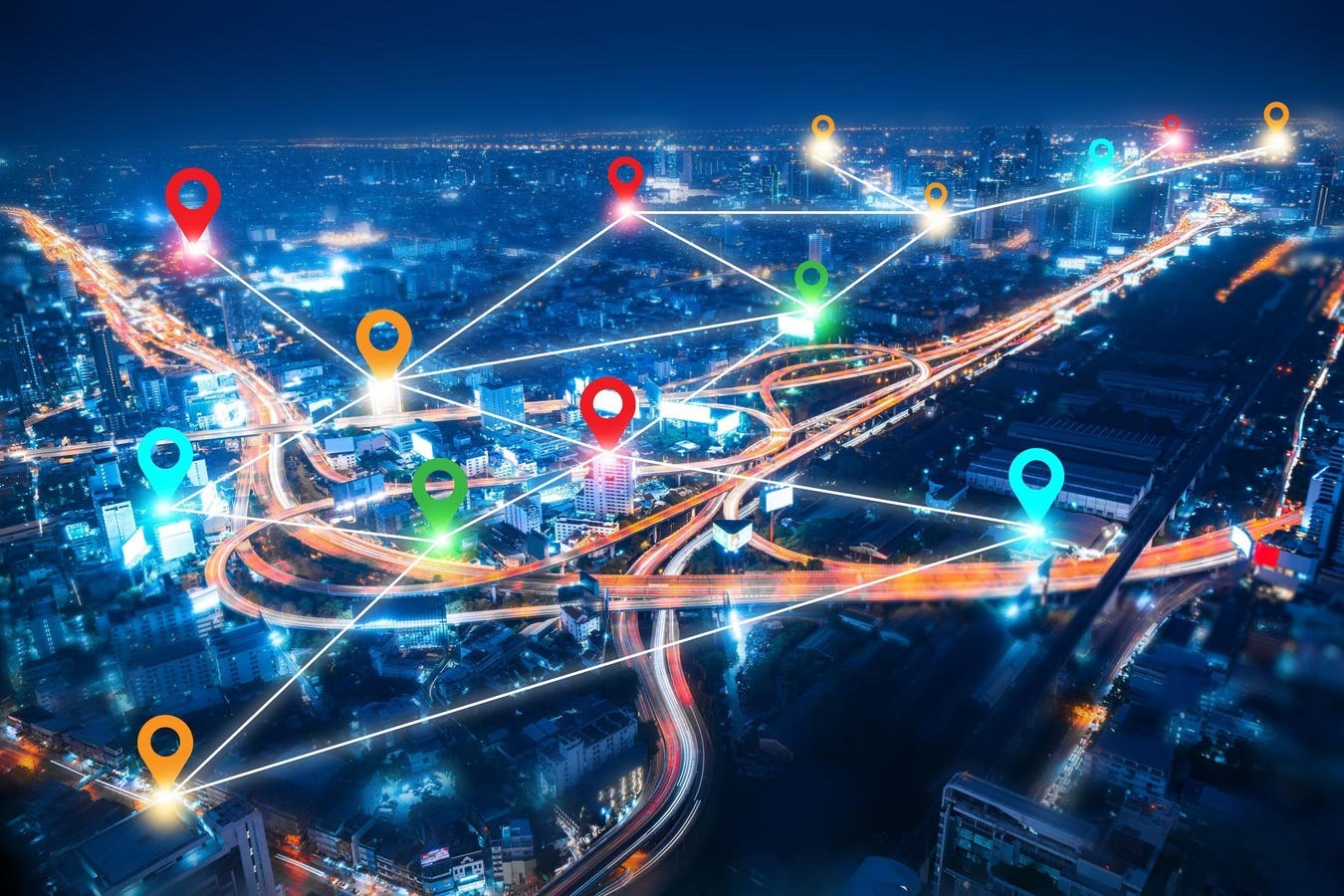
That’s where Artificial Intelligence (AI) steps in. By analyzing real-time traffic, weather patterns, and delivery constraints, AI systems can optimize delivery routes, saving companies millions in fuel and labor costs while reducing carbon emissions.
According to McKinsey & Company, AI-driven route optimization can improve last-mile delivery efficiency by up to 30%, making it one of the most transformative technologies in logistics today.
What Is AI Route Optimization?
Understanding the Basics
AI route optimization uses advanced algorithms, machine learning, and predictive analytics to plan the most efficient delivery routes. Unlike traditional systems that rely on static data, AI models continuously learn and adapt based on real-world variables.
How It Works:
-
Data Collection: GPS devices, sensors, and IoT systems feed live data into AI platforms.
-
Analysis: AI evaluates multiple variables — traffic, distance, delivery windows, driver behavior, and fuel usage.
-
Optimization: The system generates route recommendations in seconds, factoring in efficiency, safety, and cost.
-
Continuous Learning: Each delivery outcome improves the algorithm for future routes.
Why AI in Route Optimization Matters
1. Reducing Fuel and Maintenance Costs
AI systems calculate the shortest and least congested routes, minimizing idle time and fuel consumption.
Example:
UPS’s ORION (On-Road Integrated Optimization and Navigation) system saves the company over 10 million gallons of fuel annually, reducing CO₂ emissions by 100,000 metric tons.
2. Faster Deliveries and Better Customer Experience
By adjusting routes in real time, AI ensures that deliveries are always on schedule. Predictive analytics can even anticipate delivery bottlenecks before they occur.
Fact: A study by Deloitte found that businesses using AI route optimization saw an average 20% improvement in delivery punctuality.
3. Increased Fleet Productivity
AI doesn’t just optimize routes—it optimizes driver schedules, loading efficiency, and vehicle utilization. Fleet managers can serve more customers with the same resources.
4. Environmental Sustainability
Optimized routes mean fewer miles driven and reduced carbon emissions. Companies like FedEx and Amazon Logistics are investing heavily in AI systems to achieve sustainability goals.
Key Technologies Behind AI Route Optimization
1. Machine Learning (ML)
ML algorithms analyze past deliveries and continuously improve performance. They can predict peak traffic times, adjust to regional driving behaviors, and even learn from driver feedback.
2. Predictive Analytics
Combining historical and real-time data, predictive models forecast demand spikes, traffic disruptions, and seasonal delivery trends.
3. Natural Language Processing (NLP)
Some advanced systems use NLP to interpret text-based updates — for example, customer messages like “Leave at door” or “Delay requested.”
4. Internet of Things (IoT)
Connected devices like smart sensors, GPS trackers, and telematics provide real-time feedback to AI systems.
Example:
DHL uses IoT-enabled vehicles to gather environmental and mechanical data, helping AI systems refine route recommendations dynamically.
How Businesses Use AI for Route Optimization
1. E-Commerce and Last-Mile Delivery
E-commerce giants like Amazon and Alibaba rely on AI to manage millions of deliveries daily. Machine learning predicts customer locations and optimizes driver routes down to the minute.
2. Food Delivery Platforms
Services such as Uber Eats and DoorDash use AI to calculate delivery times, batch nearby orders, and assign drivers efficiently.
3. Freight and Logistics
For large fleets, AI helps plan multi-stop routes, balance loads, and reduce empty miles (when trucks travel without cargo).
4. Healthcare and Pharmaceutical Logistics
AI ensures critical medical supplies and vaccines reach destinations safely, especially under time-sensitive conditions.
The Practical Benefits: Numbers That Matter
| Benefit | Improvement | Example |
|---|---|---|
| Fuel Efficiency | 10–20% | UPS ORION Project |
| Delivery Speed | 20–30% faster | Amazon Logistics |
| Cost Reduction | 15–25% lower operational costs | FedEx Smart Network |
| Customer Satisfaction | 30% higher retention rates | Uber Eats AI Dispatch |
| CO₂ Emission Reduction | Up to 15% per delivery | DHL Green Logistics |
Implementing AI Route Optimization in Your Business
Step 1: Assess Your Current Delivery Operations
Identify inefficiencies — are delays common? Are drivers overlapping routes? Gather data from GPS, driver logs, and order systems.
Step 2: Choose the Right AI Platform
Look for tools with real-time optimization, driver analytics, and integration with your existing logistics software.
Popular platforms:
-
Routific — for small businesses and startups
-
OptimoRoute — for medium-sized delivery fleets
-
Oracle Transportation Management (OTM) — for enterprise-level logistics
Step 3: Train Your Staff
AI systems are only as effective as their users. Train dispatchers and drivers on how to interpret and follow AI-generated routes.
Step 4: Integrate IoT and Data Sources
Sync your AI software with sensors, GPS devices, and customer databases for continuous feedback loops.
Step 5: Monitor and Improve
Use dashboards to track KPIs: fuel use, delivery time, and route deviations. Adjust based on analytics.
Common Mistakes When Adopting AI Route Optimization
-
Ignoring Data Quality
AI systems need clean, accurate data. Incomplete GPS logs or outdated addresses can reduce accuracy. -
Over-Automation Without Human Oversight
AI can make poor decisions in unfamiliar situations — such as temporary road closures or severe weather. Always allow manual intervention. -
Underestimating Integration Needs
AI works best when connected to CRM, ERP, and warehouse systems. Skipping integration limits its potential. -
Neglecting Driver Feedback
Drivers often have valuable on-ground insights. Combine human expertise with AI recommendations for best results.
The Future of AI in Delivery Optimization
AI is moving beyond simple route planning. The next generation of logistics technology integrates:
1. Autonomous Vehicles and Drones
Self-driving delivery vans and drones use AI navigation to fulfill short-distance deliveries efficiently. Amazon Prime Air and Wing (by Alphabet) are already testing large-scale drone networks.
2. Real-Time Weather and Traffic Forecasting
AI models incorporate meteorological data and live traffic feeds to preemptively adjust routes in seconds.
3. Blockchain for Secure Data Sharing
Blockchain ensures data transparency across supply chain partners, improving collaboration and reducing fraud in multi-party deliveries.
4. Sustainability Optimization
Future systems will factor in carbon footprint metrics, promoting eco-friendly route choices automatically.
Stat: According to Statista, the AI logistics market is expected to surpass $50 billion by 2030, driven by automation, sustainability, and customer demand for same-day delivery.
Author’s Insight
During my time consulting for a mid-sized logistics company, I observed firsthand how AI transformed their operations. Before implementation, they relied on manual route planning that took hours and often led to delivery overlaps.
After adopting OptimoRoute, the system reduced daily planning time from four hours to just fifteen minutes. Fuel consumption dropped by 18%, and driver satisfaction soared because routes became predictable and less stressful.
My takeaway: AI doesn’t replace human decision-makers—it empowers them. With the right setup, it turns chaotic logistics into a streamlined, data-driven operation.
Conclusion
AI in delivery route optimization is redefining logistics efficiency. By combining real-time analytics, predictive modeling, and automation, businesses can deliver faster, reduce costs, and operate sustainably.
From UPS’s ORION to Amazon’s Smart Logistics AI, the results are clear — companies that embrace AI gain a competitive edge in customer satisfaction, operational savings, and environmental responsibility.
In the era of intelligent logistics, one truth stands out: AI doesn’t just find the best route—it drives the future of delivery.