Introduction: Why Logistic Companies Are the Backbone of Modern Supply Chains
In today’s interconnected global economy, the role of logistic companies in modern supply chains has never been more critical. These companies manage the movement, storage, and flow of goods — ensuring that products reach the right place, at the right time, and at the lowest possible cost.
From e-commerce giants like Amazon to international carriers like Maersk and DHL, logistics firms are the invisible engines driving trade, commerce, and consumer satisfaction. According to Statista, the global logistics market is expected to exceed $13 trillion by 2027, highlighting its immense scale and importance.
Let’s explore how logistics companies operate, their key roles, and how digital innovations are reshaping modern supply chains.
Understanding Modern Logistics
What Is Logistics?
Logistics refers to the detailed coordination and management of goods, information, and resources across the supply chain — from raw materials to end customers.
Functions of Logistic Companies:
-
Transportation: Moving goods between suppliers, manufacturers, and retailers.
-
Warehousing: Storing products safely before distribution.
-
Inventory Management: Tracking and optimizing stock levels.
-
Packaging and Fulfillment: Preparing orders for delivery.
-
Distribution: Ensuring goods reach customers or retailers efficiently.
In essence, logistics companies bridge the gap between production and consumption, ensuring smooth and reliable supply chain operations.
The Role of Logistic Companies in Modern Supply Chains
1. Streamlining Transportation and Distribution
Transportation is the heart of logistics. Logistic companies coordinate fleets of trucks, ships, and airplanes to move goods globally.
-
Example:
FedEx uses advanced route optimization algorithms to reduce delivery times by up to 20%, improving efficiency and sustainability.
Pro Tip: Businesses can integrate logistics software like SAP Transportation Management or Oracle SCM to track deliveries in real time and optimize routes.
2. Inventory and Warehouse Management
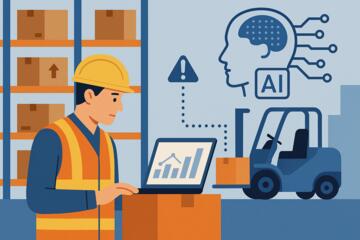
Warehouses are no longer just storage spaces — they are high-tech hubs powered by automation, robotics, and data analytics.
Top Features of Modern Warehouses:
-
Automated guided vehicles (AGVs) for internal transport.
-
AI-driven inventory forecasting to prevent stockouts.
-
IoT sensors monitoring temperature and humidity for sensitive goods.
Case Study:
Amazon’s Fulfillment Centers use robotic systems from Kiva to handle thousands of orders per hour, cutting processing time by 30–40%.
3. Enhancing Visibility Across the Supply Chain
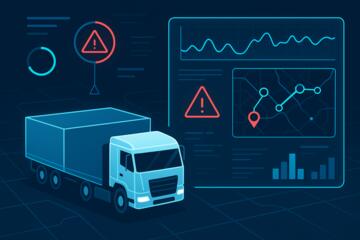
Visibility — the ability to track goods in real time — is one of the most valuable contributions logistics companies make today.
Technologies enabling supply chain transparency:
-
RFID tags for real-time product tracking.
-
Blockchain for tamper-proof shipment records.
-
GPS tracking for fleet management.
Example:
Maersk and IBM co-developed the TradeLens platform, a blockchain-based solution that tracks containers across 100+ ports, reducing documentation time by up to 40%.
4. Reducing Costs and Increasing Efficiency
Efficient logistics reduce unnecessary costs across the supply chain. By consolidating shipments, optimizing routes, and negotiating bulk transportation contracts, logistics providers help companies lower expenses.
Statistic:
According to Deloitte, effective logistics management can cut total supply chain costs by 10–15%.
Common cost-saving methods:
-
Consolidating shipments for economies of scale.
-
Using predictive analytics to optimize fleet routes.
-
Outsourcing to specialized third-party logistics (3PL) providers.
5. Supporting Global Trade and E-commerce Growth
Logistics companies are the backbone of global commerce. With e-commerce sales projected to reach $8 trillion by 2026, logistics providers must handle increased delivery volumes and complex international regulations.
Example:
DHL eCommerce Solutions manages last-mile delivery for major online retailers, handling millions of parcels daily across 220 countries.
Pro Tip:
For cross-border businesses, partnering with a logistics firm experienced in customs and compliance can prevent costly delays.
Types of Logistic Companies
Not all logistics providers offer the same services. Understanding their categories helps businesses choose the right partner.
1. First-Party Logistics (1PL)
A company manages its own transport — often small-scale operations.
Example: A local farm delivering produce to nearby markets.
2. Second-Party Logistics (2PL)
The company outsources transport to carriers like trucking or shipping firms.
Example: A manufacturer hiring a freight company.
3. Third-Party Logistics (3PL)
A full-service provider managing warehousing, transportation, and order fulfillment.
Example: UPS Supply Chain Solutions offers storage, customs brokerage, and freight forwarding.
4. Fourth-Party Logistics (4PL)
A 4PL acts as an integrator — overseeing multiple 3PL providers and optimizing the entire supply chain.
Example: Accenture’s 4PL services design and manage global logistics networks for multinational corporations.
Technology Transforming Modern Logistics
1. Artificial Intelligence (AI) and Machine Learning
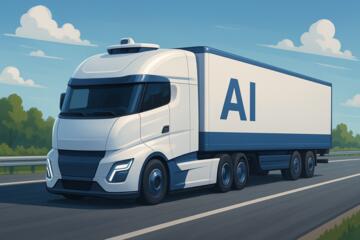
AI helps forecast demand, optimize delivery routes, and detect supply chain disruptions.
Example:
UPS’s ORION system uses AI to calculate the most efficient delivery path, saving 10 million gallons of fuel annually.
2. Internet of Things (IoT)
IoT devices track shipments, monitor conditions, and alert operators about delays.
Example:
Pharmaceutical companies use IoT temperature sensors to ensure vaccine shipments remain within safe temperature ranges.
3. Automation and Robotics
Automated sorting systems and robotic arms speed up warehouse operations and reduce human error.
4. Blockchain and Smart Contracts
Blockchain enhances data security, reduces paperwork, and simplifies payment verification between supply chain partners.
Example:
Walmart uses blockchain to track food origins, reducing traceability time from 7 days to 2.2 seconds.
5. Sustainable Logistics and Green Technology
Eco-friendly logistics is now a competitive advantage. Electric vehicles, route optimization, and carbon-offset programs are shaping the industry.
Example:
DHL’s GoGreen program aims for net-zero emissions by 2050, setting a global sustainability benchmark.
How to Choose the Right Logistics Partner
Selecting a logistics provider can significantly influence your business’s efficiency and customer satisfaction.
Key Factors to Consider:
-
Experience and Industry Expertise
-
Look for companies with proven success in your specific industry.
-
For example, food suppliers need cold-chain expertise.
-
-
Technological Capabilities
-
Does the provider use AI, tracking systems, or warehouse automation?
-
-
Global Network
-
International companies should choose providers with global operations like FedEx, DB Schenker, or Kuehne+Nagel.
-
-
Scalability
-
Ensure your partner can handle seasonal spikes and business growth.
-
-
Sustainability Practices
-
Green logistics not only helps the planet but also appeals to eco-conscious consumers.
-
Pro Tip:
Request performance data and key metrics such as on-time delivery rates, inventory accuracy, and carbon footprint.
Common Mistakes Businesses Make in Logistics Management
Even with advanced tools, many companies still face logistics challenges.
Frequent Errors Include:
-
Poor communication between suppliers and carriers.
-
Lack of visibility in real-time shipment tracking.
-
Ignoring last-mile delivery optimization.
-
Underestimating customs and compliance regulations.
-
Choosing price over quality in logistics partners.
Solution:
Adopt integrated supply chain management platforms like Infor Nexus or SAP Integrated Business Planning to unify communication and data sharing.
Author’s Insight
Having worked closely with logistics teams across multiple industries, I’ve seen how the right logistics partner can transform a business.
One manufacturer I consulted struggled with delayed shipments and inconsistent inventory. By partnering with a 3PL provider using predictive analytics, they reduced lead times by 35% and improved customer satisfaction dramatically.
The lesson? Logistics isn’t just about moving goods — it’s about moving them intelligently. The companies that thrive are those that treat logistics as a strategic investment, not an operational cost.
Conclusion: Logistics — The Lifeline of Modern Supply Chains
The role of logistic companies in modern supply chains extends far beyond transportation. They are strategic partners that enable businesses to scale globally, meet customer expectations, and adapt to rapidly changing markets.
From AI-powered route optimization to sustainable delivery models, logistics innovation is driving the next era of global commerce.
Businesses that invest in advanced logistics solutions today will not only reduce costs but also gain the agility and resilience needed to succeed in a digital, interconnected world.