Introduction: Why AI in Audit Is Becoming Essential for Modern Compliance
AI in audit is reshaping the way organizations approach accuracy, compliance, and risk assessment. Traditional audit processes often rely on manual sampling, spreadsheets, and repetitive checks that leave room for human error. As data grows exponentially, auditors require tools capable of analyzing entire datasets, not just small samples.
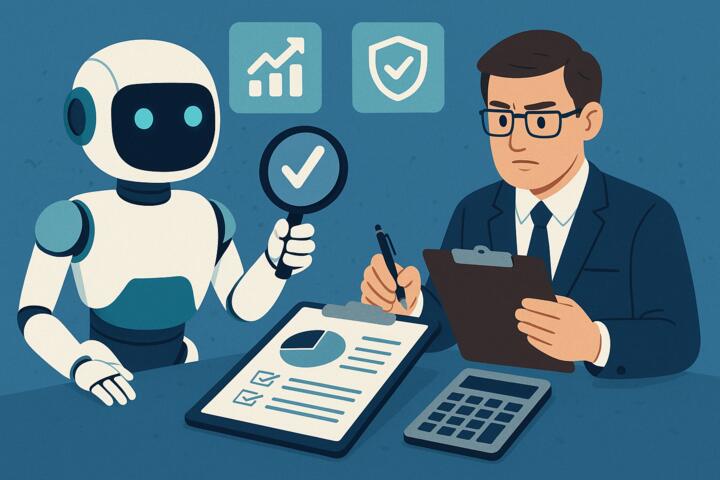
Artificial intelligence solves this challenge by automating analysis, improving fraud detection, and enhancing compliance monitoring. Companies like Deloitte, EY, KPMG, and PwC now integrate AI into their audit workflows, reporting dramatic improvements in both accuracy and audit quality.
The Role of AI in Modern Auditing
AI enables auditors to work faster, more accurately, and with deeper insight by automating traditionally manual processes.
Key Benefits of AI in Audit
-
Full data coverage instead of sample-based testing
-
Automated anomaly and fraud detection
-
Faster audit cycles
-
Reduced compliance risks
-
More accurate documentation and reporting
-
Better visibility into high-risk areas
AI empowers auditors to shift from repetitive tasks to strategic analysis.
How AI Enhances Audit Accuracy
1. Automated Data Validation
AI cross-checks financial data across multiple systems, identifying inconsistencies within seconds.
Examples include:
-
Duplicate transactions
-
Misclassified expenses
-
Unusual payment patterns
EY’s Helix platform uses machine learning to validate 100% of transaction data, eliminating the need for manual sampling.
2. Real-Time Error Detection
Instead of finding discrepancies months later during annual audits, AI flags issues immediately.
3. Reduced Human Error
According to a Harvard Business Review study, manual data entry errors account for up to 90% of spreadsheet mistakes. AI removes this risk entirely.
AI for Reducing Compliance Risks
1. Continuous Monitoring
AI tools continuously analyze financial data, ensuring compliance with:
-
IFRS
-
GAAP
-
Industry-specific regulations
-
Internal corporate policies
2. Predictive Risk Scoring
Machine learning models assign risk scores to transactions, vendors, and cost centers.
This helps auditors:
-
Prioritize what to investigate
-
Uncover hidden risks
-
Improve audit planning
3. Automated Documentation
AI auto-generates audit trails, significantly reducing documentation gaps that often trigger regulatory issues.
4. Fraud Detection
AI can detect:
-
Suspicious vendor activity
-
Collusion patterns
-
Abnormal approval workflows
-
High-risk financial behavior
Deloitte uses deep learning models to detect fraud signals that would be nearly impossible for humans to identify manually.
Core Technologies Transforming Auditing
Machine Learning (ML)
Learns from historical audits to identify risk patterns.
Natural Language Processing (NLP)
Reads contracts, policies, and financial documents faster than humans.
Robotic Process Automation (RPA)
Handles repetitive audit tasks like:
-
Data import
-
Reconciliation
-
Report generation
Predictive Analytics
Forecasts compliance risks and fraud likelihood.
Computer Vision
Used to read scanned invoices, receipts, and handwritten notes with high accuracy.
Practical Use Cases of AI in Audit
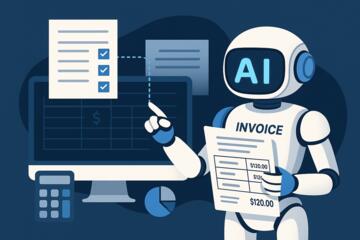
1. Invoice and Expense Verification
AI detects:
-
Inflated claims
-
Receipt mismatches
-
Duplicate reimbursements
-
Non-compliant spend categories
Companies like SAP Concur use AI to catch incorrect expense reports before reimbursement.
2. Contract Review and Compliance
AI can read thousands of pages of contracts, policies, and agreements in minutes.
AI can identify:
-
Missing mandatory clauses
-
Compliance violations
-
Inconsistent payment terms
-
High-risk legal wording
This reduces legal exposure and improves procurement integrity.
3. Revenue Recognition and Financial Controls
AI audits revenue streams to ensure compliance with ASC 606 and IFRS 15.
It checks:
-
Timing of revenue events
-
Contract obligations
-
Delivery and performance conditions
This reduces the risk of revenue manipulation.
4. Internal Audit Optimization
Internal audit teams benefit from:
-
Automated test execution
-
Continuous monitoring
-
Dynamic risk assessment
-
Predictive audit planning
KPMG’s Clara platform uses AI to guide auditors through risk-based workflows.
5. Regulatory Reporting
AI ensures accuracy for compliance reports submitted to regulators.
AI supports:
-
Financial institutions (AML, KYC, Basel III)
-
Healthcare providers (HIPAA)
-
Public companies (SOX requirements)
Incorrect reporting can lead to fines, reputational damage, or criminal penalties—AI helps avoid these outcomes.
How to Implement AI in Audit: A Step-by-Step Guide
1. Establish Data Quality Standards
AI is only effective if data is accurate.
Checklist:
-
Clean duplicate entries
-
Standardize formats
-
Remove inconsistent data
-
Integrate data sources
2. Choose the Right AI Audit Tools
Popular solutions include:
-
CaseWare IDEA
-
MindBridge Ai
-
ACL Analytics
-
Thomson Reuters ONESOURCE
Selection Criteria
-
Ability to integrate with ERP systems
-
Regulatory compliance capabilities
-
Transparent model explanations
-
Ease of use for audit teams
3. Start with High-Impact Use Cases
Examples:
-
Expense audits
-
Invoice matching
-
Contract review
-
Transaction anomaly detection
These produce fast ROI and build internal trust.
4. Train Auditors to Use AI
Common mistake: assuming AI replaces auditors.
Reality: AI empowers them.
Training Focus
-
Understanding models
-
Interpreting outputs
-
Adjusting risk thresholds
-
Validating AI findings
5. Ensure Transparency and Explainability
Regulators require audit decisions backed by clear evidence.
Look for tools that:
-
Explain how an anomaly was detected
-
Provide audit trails
-
Support human review
Common Mistakes When Introducing AI into Auditing
Mistake 1: Expecting AI to Replace Human Judgment
AI finds patterns—but auditors interpret them.
Mistake 2: Poor Data Governance
Bad data makes AI unreliable.
Mistake 3: No Change Management Strategy
Teams need training, guidance, and support.
Mistake 4: Over-Reliance on Black Box Models
Opaque AI tools complicate regulatory audits.
Mistake 5: Ignoring Cybersecurity
Audit data is sensitive and must be protected.
Benefits of Using AI in Audit
-
Higher accuracy and reliability
-
Reduced regulatory non-compliance
-
Lower audit costs
-
Faster reporting cycles
-
Better fraud detection
-
Stronger internal controls
-
Increased transparency
-
Improved auditor productivity
Author’s Insight
I once worked with a financial audit team that struggled with manual expense audits—thousands of receipts processed by hand every month. We deployed an AI-driven anomaly detection system that identified suspicious transactions in real time. Within six months, they reduced audit time by 40% and caught several previously undetected fraud patterns. The biggest surprise was the morale boost—auditors finally had time to focus on analytical work they enjoyed, not scanning receipts.
Conclusion
AI in audit enhances accuracy, reduces compliance risks, and transforms the audit function from reactive to proactive. By using AI for anomaly detection, contract review, and continuous monitoring, organizations strengthen internal controls and improve regulatory compliance. As data volumes continue to grow, AI-driven auditing will become a necessity rather than a choice. Now is the ideal time to modernize your audit strategy and take advantage of intelligent automation.