Why Every Restaurant Needs Specialized Accounting Software
Running a restaurant means managing more than great food and happy customers — it’s also about precise financial control. With slim profit margins and fluctuating costs, accurate bookkeeping is critical.
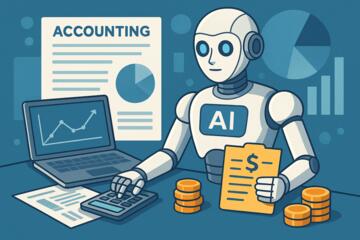
That’s where restaurant accounting software comes in. It automates complex financial tasks like expense tracking, sales reconciliation, payroll, and vendor payments, all while providing real-time insights into profitability.
According to Restaurant365, businesses using dedicated accounting software save an average of 10–15 hours per week on administrative tasks. More importantly, they reduce costly errors and improve cash flow forecasting.
What Is Restaurant Accounting Software?
Definition and Purpose
Restaurant accounting software is a financial management system designed specifically for the food and beverage industry. It consolidates accounting, inventory, payroll, and vendor management into a single platform.
Unlike generic accounting tools, restaurant-focused systems integrate with Point of Sale (POS), inventory tracking, and staff scheduling systems — creating a seamless flow of data.
Why It Matters
Manual accounting or using non-specialized tools (like spreadsheets) often leads to:
-
Double entries or reconciliation errors
-
Poor visibility into daily profit margins
-
Missed tax deductions or compliance issues
-
Inaccurate inventory costing
With automation, restaurant owners can monitor their finances in real time and make faster, data-driven decisions.
Key Features of Restaurant Accounting Software
1. POS System Integration
One of the most critical features is direct integration with your Point of Sale (POS) system. This ensures that every transaction — dine-in, delivery, or takeout — automatically updates in your accounting records.
Benefits:
-
Eliminates manual data entry
-
Provides daily revenue summaries
-
Tracks top-performing menu items
-
Syncs tips, taxes, and discounts automatically
Example:
Platforms like Toast and Square for Restaurants seamlessly connect sales data with accounting tools such as QuickBooks Online and Xero, ensuring accurate reporting.
2. Real-Time Inventory Management
Inventory can make or break a restaurant’s profitability. The best accounting software includes inventory tracking that updates automatically as ingredients are sold or used.
Key Capabilities:
-
Track ingredient usage by menu item
-
Monitor food waste and shrinkage
-
Set reorder alerts for suppliers
-
Calculate the true cost of goods sold (COGS)
Example:
Restaurant365 allows restaurants like Blaze Pizza to connect suppliers directly, automating replenishment and minimizing overstocking.
3. Payroll and Labor Cost Management
Managing staff schedules, overtime, and tips can be complex. Restaurant accounting software simplifies payroll by automating time tracking, tax deductions, and compliance.
Look for these features:
-
Integrated time clocks and tip reporting
-
Payroll tax filing and W-2 management
-
Overtime and shift tracking
-
Labor cost forecasting
Example:
ADP Workforce Now and Gusto integrate with restaurant platforms to handle payroll and HR tasks automatically, saving hundreds of admin hours monthly.
4. Vendor and Accounts Payable Automation
Restaurants deal with multiple vendors — from produce suppliers to cleaning services. Accounting software with AP automation streamlines payments and expense management.
Key Benefits:
-
Digital invoice capture and matching
-
Scheduled vendor payments
-
Expense categorization
-
Improved cash flow visibility
Example:
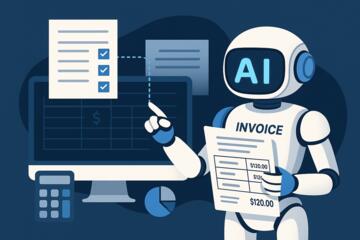
Plate IQ uses OCR (Optical Character Recognition) to scan invoices, categorize expenses, and automatically push data to accounting ledgers.
5. Financial Reporting and Analytics
Comprehensive financial dashboards are the backbone of modern restaurant accounting systems. They convert raw data into actionable insights.
Essential Reports Include:
-
Daily sales and labor performance
-
COGS vs. sales ratio
-
Break-even analysis
-
Profit and loss (P&L) statements
-
Forecasting and budget variance
Example:
QuickBooks Online Advanced offers customizable dashboards that track key restaurant metrics and visualize performance across multiple locations.
6. Multi-Location and Franchise Management
If your restaurant operates several branches or franchises, multi-location management is essential.
Features to Look For:
-
Consolidated financial reporting across all outlets
-
Inter-company transactions tracking
-
Centralized purchasing and vendor management
-
Individual location performance analytics
Example:
Chains like Dunkin’ and Chipotle use enterprise-level systems such as Oracle NetSuite ERP for unified accounting across hundreds of locations.
7. Tax Compliance and Audit Trail
Restaurant owners face a maze of taxes — sales, payroll, and local food service levies. Advanced accounting software automates tax tracking and provides audit-ready documentation.
Functions:
-
Automatic sales tax calculation
-
Integration with payroll tax systems
-
Digital storage of receipts and invoices
-
Secure, traceable audit trails
This ensures compliance with IRS and local tax authority regulations while reducing the risk of penalties.
How to Choose the Right Restaurant Accounting Software
1. Define Your Business Needs
Consider whether you’re a small café or a large franchise — scalability matters.
-
Small operations: Cloud-based tools like Xero or QuickBooks Online offer affordability and simplicity.
-
Mid to large chains: Consider enterprise-grade software like Restaurant365 or NetSuite.
2. Prioritize Integrations
Ensure your software connects with existing tools such as:
-
POS systems (e.g., Square, Clover, Toast)
-
Payroll platforms (e.g., ADP, Gusto)
-
Scheduling software (e.g., 7shifts, Deputy)
3. Evaluate Cost vs. ROI
The right software should save time, reduce errors, and improve profit margins. Evaluate pricing models (subscription vs. per-location fees).
4. Look for Cloud Accessibility
Cloud-based solutions allow real-time access from any device, which is ideal for managers overseeing multiple sites.
5. Test Support and Training
Choose a provider with onboarding support, 24/7 customer service, and resources like tutorials or webinars.
Common Mistakes to Avoid
-
Relying on Generic Accounting Software
General tools lack industry-specific integrations like POS or tip tracking. -
Ignoring Data Security
Always confirm the software uses encryption and complies with PCI DSS standards for financial transactions. -
Failing to Train Staff
Even the best software fails without proper adoption. Schedule regular training for managers and accountants. -
Not Using Reports Proactively
Use real-time reports to adjust menu pricing, supplier contracts, or labor schedules — not just for compliance.
The ROI of Restaurant Accounting Software
A 2023 survey by Hospitality Technology found that restaurants using automated accounting systems achieved:
-
25% faster month-end closes
-
30% lower administrative costs
-
20% reduction in food waste
-
15% increase in overall profit margins
In short, smart financial software isn’t an expense — it’s an investment that pays for itself quickly.
Author’s Insight
Having consulted for mid-sized hospitality groups, I’ve seen firsthand how restaurant accounting software can transform operations. One client — a family-owned chain with five outlets — struggled with manual bookkeeping and inconsistent inventory records.
After implementing Restaurant365, they automated daily sales imports, vendor payments, and payroll processing. Within three months, labor costs dropped by 12%, and profit margins grew steadily.
My key takeaway: technology doesn’t just simplify accounting — it gives restaurant owners back their time to focus on what matters most: great service and growth.
Conclusion
In an industry where every penny counts, restaurant accounting software provides a clear path to financial control, accuracy, and growth. By automating bookkeeping, inventory, and payroll, it reduces overhead and gives restaurateurs real-time insights into their business health.
From POS integration to analytics dashboards, these tools empower restaurants to make smarter financial decisions — ensuring sustainability and profitability in an increasingly competitive market.
The bottom line? Optimizing your finances starts with optimizing your accounting tools.