Introduction: Why AI Compliance Systems Are Becoming Essential
The rapid rise of AI compliance systems for managing risk and regulation represents one of the most important evolutions in corporate governance. As businesses face stricter data protection rules, financial regulations, and industry-specific compliance requirements, manual monitoring is no longer enough. According to Deloitte’s 2024 Compliance Benchmark Report, 62% of companies now use some form of AI-driven compliance automation, and the number is expected to rise sharply as global regulations expand.
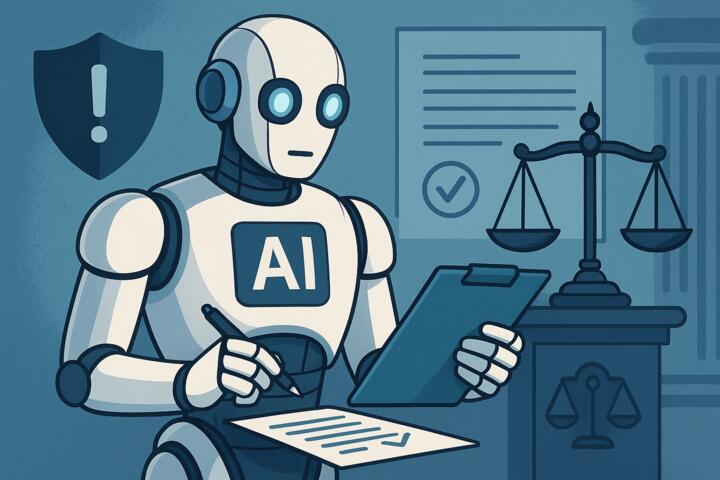
AI automates the hardest parts of compliance: data monitoring, reporting, internal audits, risk assessment, and detection of violations. Instead of reacting to problems, companies can now prevent them—often in real time.
This comprehensive guide explains how AI compliance systems work, what benefits they offer, which tools lead the market, and how to implement AI responsibly across your risk and regulatory workflows.
How AI Compliance Systems Work
Understanding the Core Functions of AI Compliance Tools
Modern AI compliance platforms combine:
-
machine learning
-
NLP (natural language processing)
-
anomaly detection
-
predictive modeling
-
automated reporting
-
workflow automation
They analyze vast data sources including:
-
internal emails
-
transaction records
-
contracts
-
access logs
-
financial statements
-
employee activity
The result: continuous monitoring, instant alerts, and accurate reporting without the massive human workload traditional compliance requires.
Key Benefits of AI-Driven Compliance
1. Real-Time Regulatory Monitoring and Updates
Compliance teams spend enormous time tracking changes in:
-
GDPR
-
CCPA
-
SOX
-
PCI DSS
-
HIPAA
-
AML/KYC laws
AI systems automatically update rules and compare them with internal processes.
Practical Impact
Companies report 30–50% reductions in regulatory monitoring workload when using platforms like Thomson Reuters Regulatory Intelligence or IBM OpenPages.
2. Automated Risk Scoring and Gap Analysis
AI identifies patterns that suggest risk, including:
-
unusual transaction flows
-
suspicious employee behavior
-
data access spikes
-
incomplete documentation
Systems like LogicGate Risk Cloud, ServiceNow GRC, and Workiva generate risk scores and prioritize action items.
3. AI-Powered Policy and Contract Compliance
NLP-driven models scan documents to ensure they meet:
-
regulatory standards
-
internal policy requirements
-
industry certifications
For example, hospitals use AI tools to ensure HIPAA-compliant wording across all patient forms.
4. Fraud, AML, and Financial Crime Detection
Financial institutions rely heavily on AI for:
-
anti-money laundering (AML) detection
-
sanctions screening
-
PEP checks
-
fraud prevention
AI identifies suspicious activity far faster than human auditors. The IMF reports that AI improves AML detection accuracy by 20–35%.
5. Automated Reporting and Audit Preparation
AI generates:
-
audit trails
-
compliance dashboards
-
incident reports
-
daily logs
-
regulatory filings
This shortens audit preparation from weeks to days.
Major Use Cases for AI Compliance Systems
1. Corporate Governance and Internal Controls
AI ensures internal policies align with regulatory requirements.
Key Features
-
automated control testing
-
exception alerts
-
workflow approvals
-
digital signatures
Industries: finance, manufacturing, insurance, healthcare.
2. Data Privacy and Cybersecurity Compliance
AI supports:
-
data mapping
-
breach detection
-
consent tracking
-
GDPR/CCPA monitoring
Companies like Microsoft and Cisco use AI-driven privacy tools internally to manage complex global compliance obligations.
3. Financial Reporting and SOX Compliance
Machine learning helps catch:
-
revenue recognition irregularities
-
misclassified expenses
-
reporting inconsistencies
These systems reduce SOX audit findings by up to 40%, according to EY insights.
4. HR and Workplace Compliance
AI assists HR teams with:
-
diversity reporting
-
labor regulation adherence
-
misconduct detection
-
workplace safety compliance
This prevents costly lawsuits and regulatory violations.
5. Supply Chain and Vendor Compliance
AI evaluates:
-
supplier contracts
-
ESG compliance
-
import/export regulations
-
vendor risk profiles
Tools like SAP Ariba, Coupa, and EcoVadis use AI to score suppliers and detect hidden risks.
Choosing the Right AI Compliance System
1. Prioritize Industry-Specific Features
Some tools are tailored for:
-
healthcare (HIPAA, HITECH)
-
finance (SOX, AML, Basel III)
-
logistics (customs, safety regs)
-
tech (GDPR, cybersecurity standards)
Use a system aligned to your sector.
2. Evaluate Transparency and Explainability
AI decisions must be understandable.
Look for:
-
explainable AI (XAI)
-
documented logic
-
audit logs
-
clear justification trails
Opaque AI can create legal problems.
3. Assess Integration Capabilities
The best systems integrate with:
-
ERP (SAP, Oracle)
-
CRM (Salesforce)
-
HRIS (Workday)
-
document repositories
-
email and messaging platforms
-
financial systems
Proper integration ensures real-time monitoring.
4. Look for Customizable Risk Models
Every organization has unique risks.
Choose solutions that offer:
-
custom scoring
-
editable rules
-
tailored alerts
-
industry-specific templates
5. Ensure Strong Data Security and Privacy Standards
Confirm:
-
SOC 2 compliance
-
encryption at rest and in transit
-
role-based access
-
zero-retention policies
-
private model hosting
Enterprise versions of Anthropic, OpenAI, and Google Vertex AI meet corporate security needs.
Common Mistakes When Implementing AI Compliance Systems
Mistake 1: Treating AI as a Full Replacement for Human Judgment
AI reduces manual work but cannot replace compliance officers or legal counsel.
Mistake 2: Using Consumer AI Tools for Sensitive Data
This creates:
-
confidentiality breaches
-
GDPR violations
-
regulatory exposure
Always use enterprise-grade AI.
Mistake 3: Ignoring Model Bias and Error Risk
AI must be continuously monitored for:
-
false positives
-
misclassifications
-
cultural or jurisdictional bias
Mistake 4: Poor Change Management
Compliance staff require training to:
-
interpret AI alerts
-
adjust workflows
-
validate reports
Mistake 5: Incomplete Integration with Existing Systems
Without integration, AI has blind spots—and risks go undetected.
How to Successfully Implement AI Compliance in Your Organization
Step 1: Conduct a Compliance Workflow Audit
Map current processes:
-
reporting
-
documentation
-
monitoring
-
risk scoring
Identify bottlenecks.
Step 2: Choose a Pilot Use Case
Examples:
-
AML screening
-
GDPR consent tracking
-
contract compliance review
Start small, then scale.
Step 3: Prepare Structured, High-Quality Data
AI models require:
-
clean inputs
-
updated records
-
consistent formats
Poor data = poor compliance.
Step 4: Integrate AI with Core Systems
Ensure AI connects to:
-
ERP
-
HRIS
-
financial systems
-
cloud storage
-
communication platforms
Step 5: Build Human Oversight Into Every Workflow
Humans should:
-
validate alerts
-
approve actions
-
interpret predictions
-
make final compliance decisions
Step 6: Continuously Monitor and Improve
Track:
-
number of alerts
-
false positives
-
audit findings
-
time savings
-
ROI
Optimization should be ongoing.
Author’s Insight
Working with compliance teams across different industries, I’ve learned that the biggest benefit of AI compliance systems isn’t automation—it’s clarity. AI highlights which risks matter most and eliminates hours of low-value manual work. Teams can finally step back and focus on strategic compliance decisions instead of drowning in spreadsheets, emails, and fragmented systems.
Conclusion
AI compliance systems are redefining how organizations manage risk, monitor regulation, and maintain audit readiness. By automating monitoring, reporting, risk scoring, and documentation, AI reduces human error and strengthens governance. Companies that adopt AI-powered compliance tools gain a competitive advantage—faster reaction times, better insights, and reduced regulatory exposure. The future of compliance is not just digital; it’s intelligent.