Introduction: The Rise of AI in Corporate Communication
In today’s fast-moving digital workplace, communication is everything — and it’s evolving faster than ever. From chatbots and smart meeting schedulers to advanced analytics tools, AI assistants for corporate communication are transforming how organizations share information, collaborate, and make decisions.
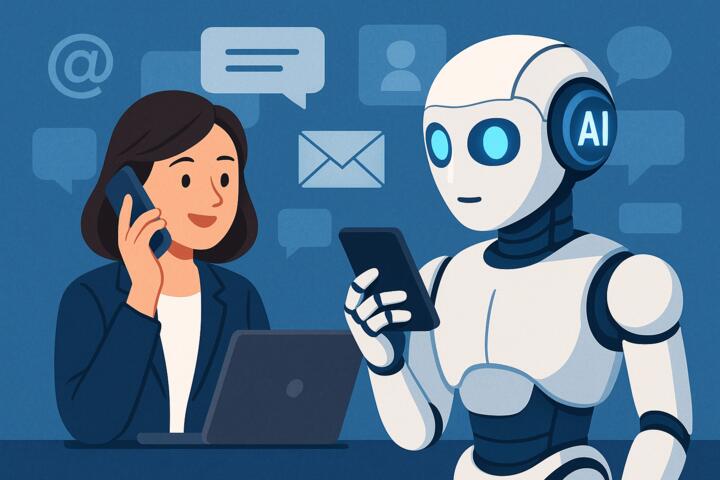
According to Gartner (2024), more than 70% of large enterprises have adopted at least one AI communication assistant to improve efficiency and reduce miscommunication across teams. The result? Faster response times, better coordination, and measurable productivity gains.
This article explores the best AI communication tools, real-world use cases, and step-by-step strategies to help your company embrace this transformation effectively.
What Are AI Assistants for Corporate Communication?
AI assistants for corporate communication are intelligent tools that use natural language processing (NLP), machine learning (ML), and automation to enhance how teams interact — both internally and externally.
They go far beyond simple chatbots. Modern AI systems understand context, summarize conversations, detect sentiment, and even suggest optimal communication strategies.
Core Functions Include:
-
Automating meeting summaries and email responses.
-
Translating messages in real time across languages.
-
Enhancing tone, clarity, and professionalism in written communication.
-
Analyzing employee engagement and communication patterns.
-
Integrating with existing collaboration tools like Slack, Teams, or Zoom.
Whether assisting HR with onboarding emails or helping executives prepare concise reports, these AI assistants act as the digital backbone of modern communication.
Why AI Communication Tools Are Critical in Today’s Workplace
Corporate communication is no longer limited to memos and emails. It now spans messaging platforms, video calls, intranets, and customer portals. Without automation, it’s easy for teams to drown in messages and misaligned updates.
Here’s why organizations are turning to AI-driven communication systems:
1. Enhanced Productivity
AI assistants automate repetitive tasks — scheduling meetings, drafting updates, or summarizing discussions — freeing employees for strategic work.
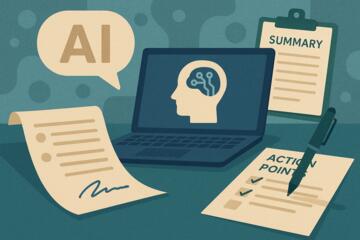
Example: Microsoft Copilot automatically summarizes Teams meetings and identifies action points.
2. Consistency and Clarity
AI ensures consistent tone and formatting across corporate emails, newsletters, and client messages.
Example: Grammarly Business uses AI to align writing style with brand guidelines.
3. Multilingual Collaboration
AI translation tools break down language barriers in global teams. DeepL for Business or Google Translate API enable seamless communication across continents.
4. Data-Driven Insights
Advanced AI systems like Zoom IQ analyze team communication patterns to highlight engagement levels and sentiment trends.
5. Cost Efficiency
By reducing manual workloads and minimizing communication errors, AI assistants can save enterprises thousands of hours annually — directly boosting ROI.
Top AI Assistants for Corporate Communication in 2025
Below are five leading tools that are shaping the corporate communication landscape:
| Tool | Best For | Key Features | Notable Users |
|---|---|---|---|
| Microsoft 365 Copilot | Enterprise collaboration | Summarizes meetings, drafts documents, integrates with Teams | Accenture, PwC |
| Slack GPT | Real-time communication | Automates workflows, summarizes channels, AI Q&A | HubSpot, Shopify |
| Grammarly Business | Writing enhancement | Tone analysis, brand voice consistency | Zoom, Atlassian |
| Zoom IQ | Meeting intelligence | Conversation insights, action item extraction | Deloitte, Salesforce |
| Otter.ai | Transcription and summaries | Real-time transcription, searchable notes | IBM, Coursera |
How AI Assistants Improve Internal Communication
1. Automating Repetitive Tasks
Routine communication tasks — such as sending reminders, summarizing reports, or scheduling team calls — can easily consume hours each week.
AI assistants handle these automatically, ensuring that nothing slips through the cracks.
Example:
A marketing agency using Slack GPT automated daily updates and client brief notifications, saving team leads over 6 hours weekly.
2. Real-Time Meeting Intelligence
AI tools can capture, transcribe, and summarize discussions instantly. They highlight decisions, assign tasks, and even identify action items based on spoken keywords.
Example:
Otter.ai and Zoom IQ integrate directly into conference calls, generating shareable meeting summaries within minutes — a massive time saver for hybrid teams.
3. Sentiment and Engagement Analysis
Modern AI systems analyze tone and sentiment in messages across platforms.
Managers can use these insights to gauge team morale or detect early signs of communication breakdown.
Example:
Workday People Analytics leverages AI to identify burnout risks or disengagement trends based on communication frequency and tone.
4. Personalized Knowledge Sharing
AI assistants can centralize company knowledge, making it easier for employees to find relevant documents, FAQs, or contacts.
Example:
Notion AI acts as a corporate knowledge assistant, instantly retrieving project histories or best-practice guidelines for new team members.
How AI Assistants Enhance External Corporate Communication
External communication — with clients, partners, or media — defines brand reputation. AI plays a key role in maintaining professionalism and responsiveness.
1. Client Communication and CRM Integration
AI integrates with CRM tools like Salesforce Einstein to help sales and customer service teams craft tailored, timely responses.
Benefit:
Personalized communication at scale — without compromising quality.
2. PR and Media Monitoring
AI tools such as Meltwater or Brandwatch track online mentions, press coverage, and sentiment. They alert communication teams to potential crises or emerging opportunities.
3. Email and Copywriting Assistance
Writing assistants powered by AI — such as Jasper AI or Grammarly Business — refine corporate messages for clarity and professionalism.
Example:
A global consulting firm used Grammarly’s tone detector to standardize communication across 15 regions, improving customer satisfaction scores by 12%.
4. Multilingual Customer Support
AI chatbots like Zendesk AI and Intercom Fin offer instant, multilingual support.
This capability enables 24/7 global coverage, reducing response times and improving client satisfaction.
Steps to Implement AI Assistants for Corporate Communication
Step 1: Assess Communication Needs
Start with a communication audit. Identify areas where bottlenecks or inefficiencies occur — meetings, emails, or employee updates.
Step 2: Choose the Right Platform
Select AI tools that integrate with your existing tech stack (Microsoft 365, Google Workspace, Slack). Prioritize security and scalability.
Step 3: Pilot with a Small Team
Run a 30–60 day pilot with one department. Track measurable improvements in efficiency and engagement.
Step 4: Train Employees
AI tools are most effective when employees know how to use them. Offer onboarding sessions and documentation.
Step 5: Monitor and Optimize
Use built-in analytics to measure ROI. Track KPIs like time saved, message turnaround, or employee engagement.
Common Mistakes When Using AI for Communication
-
Over-Automation:
Don’t replace human tone entirely — AI should assist, not dictate. -
Ignoring Data Privacy:
Always choose tools compliant with GDPR and SOC 2 standards to protect sensitive information. -
Lack of Contextual Training:
AI assistants need company-specific data to deliver accurate insights. -
Failing to Measure ROI:
Without metrics, it’s impossible to justify or improve your AI strategy. -
Neglecting Change Management:
Employees may resist AI adoption. Address fears through transparency and clear communication.
The Future of Corporate Communication with AI
By 2030, experts predict that AI will handle up to 60% of routine business communication. Future assistants will not only understand text and speech but also interpret emotional context and visual cues.
Imagine a meeting assistant that recognizes frustration in a speaker’s tone and suggests a follow-up strategy, or a system that drafts your post-meeting summary and sends it to stakeholders automatically.
Companies like IBM Watson, Anthropic, and OpenAI are already developing systems with advanced emotional intelligence, setting the stage for a new era of empathetic corporate communication.
Author’s Insight
As someone who’s implemented AI tools in corporate communication for multiple global teams, I’ve seen the transformation firsthand.
One organization I worked with struggled to align international departments. Emails were missed, meetings were miscommunicated, and projects lagged. After deploying Slack GPT and Otter.ai, internal response time improved by 45%, and meeting lengths dropped by 20% — simply because everyone had access to clear, data-backed summaries.
My takeaway: AI doesn’t replace human communication — it enhances it. When used strategically, it bridges gaps, boosts efficiency, and empowers people to focus on meaningful connection rather than routine coordination.
Conclusion: Redefining Communication with AI
AI assistants for corporate communication are no longer futuristic — they’re the present reality driving smarter, faster, and more transparent collaboration.
From meeting summaries to multilingual customer support, AI is helping companies build a unified voice and stronger relationships across global teams.
By embracing these tools thoughtfully, your organization can move beyond manual coordination and into a future of intelligent, efficient, and human-centered communication.
Now is the time to let AI elevate your corporate conversations.