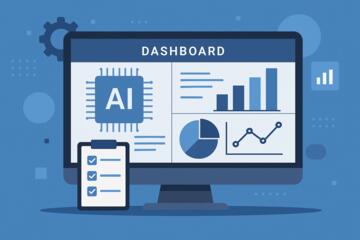
Introduction: The Power of Predictive Analytics in Workforce Management
In a rapidly evolving business landscape, workforce management is no longer about reacting to change — it’s about anticipating it. That’s where predictive analytics for workforce management comes in.
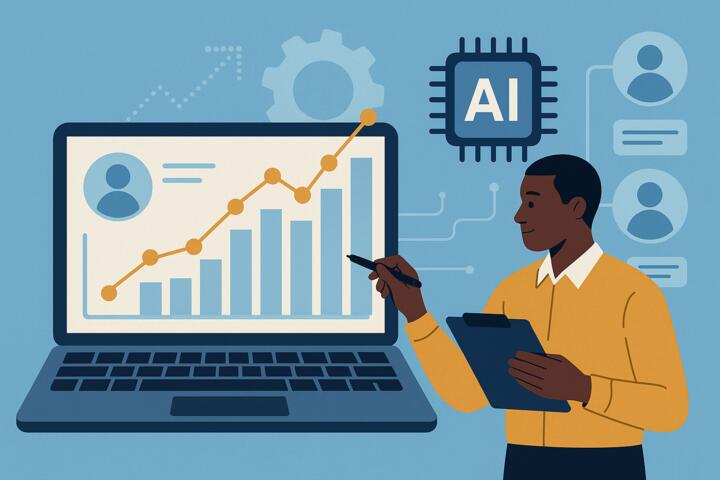
Predictive analytics uses data modeling, machine learning, and statistical algorithms to forecast future workforce trends — such as turnover, hiring needs, or productivity levels.
According to Deloitte’s 2024 Human Capital Trends Report, companies that use predictive workforce analytics are 2.3 times more likely to improve employee retention and twice as likely to achieve operational excellence.
From retail chains forecasting seasonal staffing to tech companies predicting skill shortages, predictive analytics is becoming the backbone of strategic HR planning.
What Is Predictive Analytics in Workforce Management?
Predictive analytics in HR involves using data to forecast future outcomes and guide decision-making. By analyzing employee performance, attendance, and engagement data, organizations can predict trends before they become costly problems.
Core Components of Predictive Workforce Analytics
-
Data Collection: Gathers HR data such as attendance, performance scores, and turnover rates.
-
Modeling and Algorithms: Uses machine learning and regression models to detect patterns.
-
Forecasting: Predicts future outcomes — e.g., “Which employees are most likely to leave?”
-
Action Planning: Transforms insights into concrete HR strategies and policies.
This data-driven approach allows HR teams to move from intuition to evidence-based decision-making.
Why Predictive Analytics Is Transforming Workforce Management
1. Reducing Employee Turnover
One of the most powerful uses of predictive analytics is identifying employees at risk of leaving.
For example, IBM Watson Talent Insights analyzes factors like promotion frequency, pay progression, and job satisfaction to predict attrition with up to 95% accuracy.
By acting on these insights, HR can proactively adjust workloads, improve compensation packages, or enhance engagement initiatives.
2. Optimizing Staffing and Scheduling
Predictive analytics helps managers plan staffing levels based on real-time demand.
In industries like hospitality and retail, tools such as Kronos Workforce Dimensions analyze historical sales and attendance data to forecast labor demand precisely.
This ensures the right people are in the right place — minimizing overtime costs and burnout.
3. Improving Recruitment and Talent Acquisition
Recruiting the right people faster is another major benefit.
AI-driven platforms like LinkedIn Talent Insights and HireVue use predictive analytics to assess candidate success probability, shortening the hiring cycle and improving quality of hire.
4. Enhancing Employee Engagement and Productivity
By combining data from surveys, collaboration tools, and performance platforms, organizations can track engagement trends.
Predictive models highlight teams or departments with declining morale — allowing HR to intervene before performance drops.
Example: Hilton Hotels uses predictive analytics to measure employee sentiment and tailor training programs, resulting in a 20% increase in employee satisfaction scores.
5. Aligning Workforce Planning with Business Goals
Predictive analytics connects HR strategies with broader business objectives.
For instance, if a company plans to expand into new markets, analytics can forecast required headcount, skill sets, and training budgets. This alignment ensures HR contributes directly to business growth.
Key Data Sources for Predictive Workforce Analytics
Successful predictive models rely on diverse and accurate data. Here are essential categories to include:
-
HRIS Data: Demographics, job history, salary, and performance reviews.
-
Attendance and Time Tracking: Overtime hours, absences, and shift data.
-
Engagement Surveys: Employee satisfaction, pulse surveys, and feedback.
-
External Data: Labor market trends, competitor benchmarks, and economic indicators.
-
Learning Platforms: Course completion rates and skill development progress.
The more comprehensive and clean your data, the more accurate your predictions will be.
Practical Applications: How to Use Predictive Analytics in HR
1. Forecasting Workforce Demand
Predictive models help HR leaders determine how many employees will be needed in the next quarter or year.
For instance, Amazon uses AI-powered predictive scheduling to anticipate seasonal workforce fluctuations, ensuring optimal staffing during peak periods.
2. Predicting Attrition Risk
Using historical patterns, analytics tools can identify employees most likely to leave within a given timeframe.
Common predictors include:
-
Lack of career progression.
-
Declining engagement scores.
-
Overwork and absenteeism.
By addressing these early, HR can reduce costly turnover.
3. Improving Learning and Development (L&D)
Predictive analytics can identify skill gaps before they affect performance.
Coursera for Business and Udemy Business provide predictive learning dashboards that track course engagement and suggest personalized training paths for each employee.
4. Diversity and Inclusion Forecasting
Advanced analytics tools assess promotion and hiring data to detect potential bias and forecast diversity trends.
For example, Accenture uses predictive analytics to measure inclusivity metrics and identify departments where intervention may be needed.
Steps to Implement Predictive Analytics for Workforce Management
Step 1: Establish Clear Objectives
Define what you want to achieve — reduced turnover, improved productivity, or smarter recruitment.
Example goals:
-
Reduce attrition by 15% within 12 months.
-
Predict skill gaps in emerging technologies by Q3.
Step 2: Gather and Clean Your Data
Data accuracy is critical. Audit existing HR systems, remove duplicates, and standardize metrics.
Tip: Use data governance tools like Collibra or Alation to ensure quality and consistency.
Step 3: Choose the Right Tools and Platforms
Select platforms that integrate seamlessly with your HR tech stack. Popular options include:
-
SAP SuccessFactors People Analytics
-
Workday Prism Analytics
-
Visier People
-
ADP DataCloud
These solutions offer dashboards, predictive modeling, and scenario simulations tailored to HR needs.
Step 4: Build Predictive Models
Work with data analysts or hire specialized vendors to create models based on key HR metrics.
Start with small pilot projects, such as predicting turnover in one department, and scale gradually.
Step 5: Translate Insights into Action
Analytics only adds value when it leads to action.
Use predictive insights to adjust policies, create training programs, or redesign workflows.
Example: If data predicts high burnout risk in customer support, introduce wellness initiatives or flexible scheduling.
Step 6: Measure and Refine
Continuously track results to validate model accuracy and adjust variables.
Predictive analytics is an ongoing process — not a one-time setup.
Common Mistakes to Avoid
-
Focusing on Too Many KPIs at Once
Start small — target 2–3 key outcomes (like turnover or engagement). -
Ignoring Data Quality
Inaccurate data leads to misleading predictions. Always verify your sources. -
Over-Reliance on Technology
Combine analytics with human judgment for context and empathy. -
Failing to Communicate Results
Share insights with leadership teams in clear, actionable language. -
Neglecting Ethical Considerations
Ensure compliance with data privacy laws (GDPR, CCPA) and avoid bias in algorithms.
Benefits of Predictive Analytics for Workforce Management
1. Proactive Decision-Making
Shift from reactive HR to proactive strategy, anticipating workforce needs before they arise.
2. Cost Reduction
Reduce hiring costs, absenteeism, and training inefficiencies by targeting areas of risk.
3. Better Employee Experience
Predictive models personalize employee journeys — from onboarding to career growth.
4. Enhanced Agility
Quickly adapt to market or organizational changes with accurate forecasts.
5. Stronger Alignment with Business Goals
Link HR metrics to business performance, demonstrating HR’s strategic value to executives.
Author’s Insight
Having worked with HR teams integrating predictive analytics, I’ve seen firsthand how transformative it can be.
One client, a regional retail chain, struggled with unpredictable turnover. After deploying Visier People Analytics, they discovered a clear pattern: employees with no internal mobility within nine months were 3.5 times more likely to leave.
By introducing career progression programs, turnover dropped by 22% in a year — saving significant recruitment costs.
My advice: start with a single problem — attrition, scheduling, or training — and build your predictive capabilities gradually. Once leaders see the impact, expansion becomes natural.
Conclusion: The Future of HR Is Predictive
As organizations strive to stay agile, predictive analytics for workforce management is becoming indispensable. It empowers HR leaders to forecast talent needs, prevent attrition, and align workforce strategies with business goals.
By combining data science with human insight, predictive analytics doesn’t just optimize operations — it helps organizations build a resilient, future-ready workforce.
The companies leading tomorrow are those predicting today.