Popular Articles

Enhancing Employee Engagement Through Data Insights
Employee engagement improves retention, collaboration, and service quality when leaders measure the right signals and act on them responsibly. This article explains how engagement data works, which metrics connect to real outcomes, and where teams misread dashboards. You’ll learn practical steps for collecting survey and operational data, building a simple insight loop, and testing actions without guessing. It’s for HR, managers, and analysts who need clear guidance and realistic expectations.
management
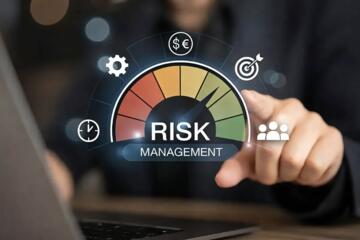
AI for Risk Mitigation in Strategic Planning
Organizations face uncertainty constantly, and risk mitigation has become a top priority in strategic planning. AI technologies now help quantify and anticipate risks by analyzing massive datasets, spotting patterns no human could catch. This article explores how AI tackles risk, identifies common missteps, and shares real use cases, offering practical approaches to integrating AI into strategic decisions.
management

Leadership in the Era of AI Automation
As AI automation expands, leadership is shifting in ways many managers and executives didn’t train for. Leading well now often means coordinating hybrid teams where people and software systems share the workload - and where decisions move faster, accountability can get blurry, and culture is easier to strain. This article looks at the biggest leadership challenges and new opportunities that come with automation, from setting clear roles and oversight to redesigning workflows and measuring performance. You’ll also find common mistakes to avoid, practical strategies you can apply immediately, and real-world examples that show how resilient organizations are being built in an AI-driven environment.
management

Intelligent Budget Allocation Models
Intelligent budget allocation models help organizations optimize spending by aligning resources with measurable outcomes. These models use data-driven methods that shift focus from intuition to analytics, increasing financial efficiency. This article offers an expert view on common pitfalls, actionable strategies, and real-world cases, guiding businesses to allocate funds with precision and avoid costly errors.
management

AI-Based Market Trend Analysis for Managers
AI-driven market trend analysis equips managers to interpret dynamic data streams and anticipate shifts before they become obvious. This technology processes vast datasets including social media, sales figures, and economic indicators to offer actionable insights. Managers in retail, finance, and technology sectors can use AI tools to optimize decision-making, reduce forecasting errors, and react promptly to evolving market conditions. The article explores practical applications, pitfalls, and real-world examples demonstrating measurable impact.
management

Digital Transformation Roadmaps for Enterprises
A digital transformation roadmap is a strategic blueprint that aligns an organization's technological upgrades with its core business objectives. For large-scale enterprises, this transition is not merely about adopting new software but about re-engineering legacy processes to thrive in a data-driven economy. This guide outlines the phased approach required to modernize operations, enhance customer experience, and ensure long-term agility in a volatile market.
management

AI in Executive Decision Support Systems
The integration of Artificial Intelligence into Executive Decision Support Systems (EDSS) marks a shift from retrospective reporting to predictive and prescriptive governance. In 2026, the C-suite is no longer satisfied with static dashboards; they require agentic systems capable of simulating market shifts and stress-testing strategies in real-time. This guide examines how AI-enhanced systems provide a competitive edge through high-velocity data synthesis and cognitive bias mitigation.
management

Strategic Workforce Planning with Predictive Analytics
Modern enterprises are shifting from reactive hiring to proactive talent modeling to mitigate the high costs of skill gaps and turnover. This guide provides HR leaders and executives with a technical yet accessible framework for integrating foresight into personnel management. By leveraging historical datasets and machine learning, organizations can ensure their human capital strategy directly supports long-term financial objectives.
management

AI-Driven Performance Evaluation Systems
Traditional performance reviews are dying, replaced by intelligent systems that analyze real-time data to provide objective workforce insights. This guide explores how AI-driven evaluation frameworks solve the "recency bias" and subjectivity inherent in manual reviews, specifically for HR leaders and C-suite executives aiming for data-backed talent management. By integrating machine learning with existing workflows, organizations can transition from annual post-mortems to continuous growth cycles that increase employee retention and operational efficiency.
management

Real-Time Performance Dashboards Powered by AI
Modern enterprises are drowning in data but starving for actionable insights. Static reporting creates a "rearview mirror" effect where leaders react to problems that occurred hours or days ago. Artificial intelligence transforms monitoring from passive observation into predictive orchestration, allowing systems to self-correct and alert teams before KPIs breach critical thresholds. This guide explores how to implement live intelligence layers that turn raw operational noise into high-fidelity decision-making tools.
management