Introduction: Why AI Payroll Assistants Are Transforming Salary Calculations
Payroll has always been one of the most complex and time-consuming administrative tasks within HR and finance departments. From tax deductions to overtime tracking, benefits administration, and multi-country compliance, payroll depends heavily on accurate data and precise calculations. Today, AI payroll assistants are automating salary calculations, removing human error, reducing workload, and increasing compliance accuracy.
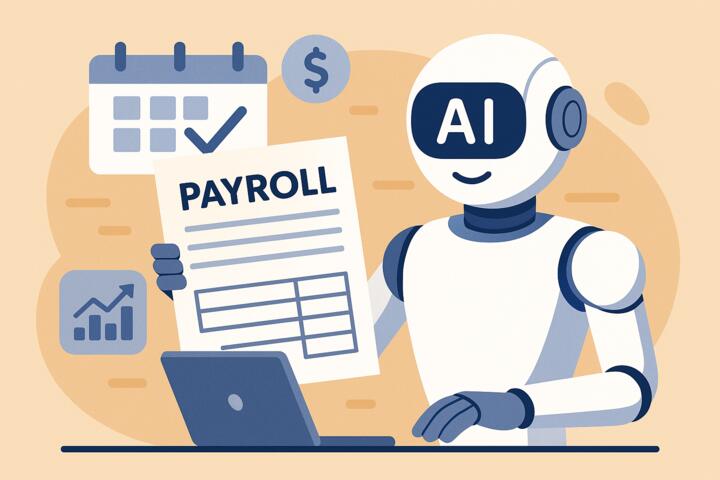
AI-powered payroll tools can process thousands of records instantly, respond to employee pay inquiries 24/7, identify anomalies, detect fraud attempts, and apply complex compensation rules in real time. Companies like Hilton, Rakuten, and Deloitte have already integrated intelligent payroll automation into their HR ecosystems.
A 2024 SHRM study found that businesses implementing AI in payroll achieved up to 70% reduction in manual tasks, with error rates dropping by nearly 40%. The shift toward automated payroll is no longer optional — it's becoming a competitive necessity.
What Are AI Payroll Assistants?
AI payroll assistants are intelligent systems that automate payroll processes using:
-
Machine learning
-
Natural language processing (NLP)
-
Predictive analytics
-
Workflow automation
They integrate with HRIS, CRMs, ERPs, and time-tracking systems to calculate salaries, taxes, benefits, overtime, and deductions without manual intervention.
Key Functions of AI Payroll Assistants
-
Salary and tax calculation
-
Overtime and bonus processing
-
Automated payslip generation
-
Payroll anomaly detection
-
Real-time compliance updates
-
Employee self-service (chatbots)
-
Integration with HR and finance systems
How AI Automates Salary Calculations
AI payroll assistants automate calculations by combining structured data from multiple systems and applying rules configured according to company policy and legal requirements.
1. Employee Data Processing
AI gathers employee information from HRIS:
-
Job role
-
Pay grade
-
Hours worked
-
Benefits
-
Tax status
2. Time and Attendance Tracking
Automated systems read:
-
Clock-in/out data
-
PTO
-
Sick leave
-
Remote work logs
-
Shift differentials
3. Tax and Deduction Calculations
AI applies:
-
Federal and state tax rules
-
Local payroll regulations
-
Benefits contributions
-
Retirement plans
-
Health insurance deductions
4. Overtime and Bonus Automation
AI ensures:
-
Correct overtime rate application
-
Productivity-based bonuses
-
Performance incentives
5. Payroll Validation
AI detects:
-
Double entries
-
Missing hours
-
Suspicious pay fluctuations
-
Out-of-policy expenses
6. Payslip Generation
Automatic distribution via email, employee portals, or HR apps.
Benefits of Using AI Payroll Assistants
1. Faster Payroll Processing
AI reduces payroll cycles from days to hours.
2. Near-Zero Calculation Errors
Machine learning improves accuracy over time.
3. Better Compliance Management
AI updates automatically with new labor laws.
4. Reduced Workload for HR Teams
Repetitive tasks disappear, freeing staff for strategic work.
5. Enhanced Employee Experience
24/7 chatbot support for questions like:
-
“How was my overtime calculated?”
-
“Where is my payslip?”
-
“Why was my tax deduction higher?”
6. Cost Efficiency
AI can lower payroll processing costs by 30–60% depending on company size.
Real-World Examples of AI Payroll Automation
Hilton
Uses AI to predict payroll needs based on seasonal occupancy and automate wage adjustments.
Deloitte
Implements cognitive payroll assistants to handle compliance updates across multiple countries.
Rakuten
Uses AI payroll chatbots to answer thousands of employee pay-related queries automatically.
Small and Medium Businesses
Platforms like Gusto, ADP, and Rippling integrate AI to reduce HR workload.
Top Features to Look for in an AI Payroll Assistant
1. Multi-country Compliance
Essential for companies operating globally.
2. Chatbot Employee Support
For payroll FAQs and self-service.
3. Time Tracking Integration
Connects with:
-
Clock apps
-
Biometric systems
-
Remote employee tools
4. Custom Rules Engine
Allows custom overtime rules, incentives, and benefits.
5. Fraud and Anomaly Detection
Prevents payroll leakage.
6. Automated Reporting
Including:
-
Payroll summaries
-
Tax reports
-
Cost analyses
-
Departmental expenses
How to Implement AI Payroll Assistants in Your Company
Implementing AI payroll automation requires planning and proper data preparation.
Step 1: Audit Current Payroll Processes
Identify:
-
Manual steps
-
Error-prone tasks
-
Slow calculations
-
Compliance challenges
-
Special pay rules
Document all workflows before automation.
Step 2: Clean and Structure Payroll Data
AI requires:
-
Accurate employee records
-
Clean time-tracking logs
-
Updated tax and benefits info
-
Correct job codes
Clean data improves prediction accuracy.
Step 3: Choose the Right AI Payroll Tool
Popular solutions include:
-
ADP Workforce Now
-
Gusto
-
Rippling
-
Paychex
-
Workday
-
Zoho Payroll AI
Look for tools with deep integration support.
Step 4: Configure Business Rules
Include:
-
Overtime rules
-
Holiday pay
-
Bonus structures
-
Variable compensation
-
Local compliance policies
Step 5: Train the AI Model
Feed the system:
-
Historical payroll records
-
Past anomalies
-
Tax rules
-
Company compensation policies
The more high-quality data, the better.
Step 6: Run a Pilot Program
Test the system with a small employee group.
Monitor:
-
Calculation errors
-
Payroll timing
-
Employee feedback
Step 7: Full Rollout and Monitoring
Track KPIs:
-
Error reduction
-
Processing speed
-
Compliance accuracy
-
HR hours saved
-
Cost savings
Common Mistakes When Implementing AI Payroll Assistants
1. Poor Data Quality
Incorrect or outdated HR records lead to inaccurate calculations.
2. Automating Complex Processes First
Start with simple workflows to avoid issues.
3. Ignoring Employee Training
Staff must understand how to work with new tools.
4. Overcustomizing the System
Too many custom rules increase complexity.
5. No Compliance Review
AI should be monitored for legal accuracy.
Future Trends in AI Payroll Automation
1. Predictive Payroll
AI predicts upcoming payroll costs and anomalies.
2. Voice-Activated Payroll Commands
HR can request reports and updates via voice assistants.
3. Deeper ERP/CRM Integration
Seamless connection with systems like SAP, Oracle, and Salesforce.
4. Payroll Digital Twins
Simulated payroll environments for testing changes.
5. Automated Tax Filing
AI will eventually handle full tax compliance end to end.
Author’s Insight
In one mid-sized company I worked with, the payroll team spent nearly 80 hours monthly correcting errors in spreadsheets from multiple departments. Overtime rules were inconsistently applied, and employees frequently complained about incorrect pay.
After implementing an AI payroll assistant integrated with their time-tracking system:
-
Error rates fell by 85%
-
Payroll processing time dropped from 3 days to 6 hours
-
Employee payroll inquiries declined by nearly 60%
-
HR freed up time for strategic hiring initiatives
The surprising part?
Most of the transformation came not from AI itself but from cleaning and standardizing payroll data before automation. Once implemented correctly, AI made payroll almost effortless.
Conclusion: AI Payroll Assistants Are the Future of Salary Management
AI payroll assistants are reshaping how companies manage salary calculations, compliance, and employee communication. By automating repetitive tasks, reducing errors, and improving decision-making, AI offers finance and HR teams more bandwidth to focus on strategic workforce initiatives.
As the workplace becomes more digital, the companies that embrace intelligent payroll automation will gain a major operational advantage.