Introduction: Why Machine Learning Matters for Warehouse Safety
Machine learning improves warehouse safety and operations by analyzing data, detecting risks, and optimizing workflows faster than human teams can. As warehouses become more automated and complex, traditional safety methods—static checklists, manual inspections, and reactive incident reports—are no longer sufficient. ML-based safety systems help organizations predict and prevent accidents, streamline inventory handling, and ensure compliance in real time.
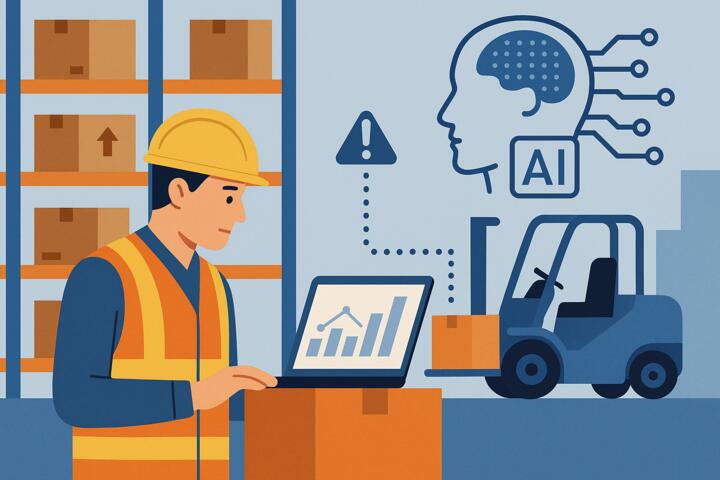
Warehouses operated by global companies like Amazon, UPS, and Rakuten Logistics already depend on machine learning to reduce workplace injuries and enhance operational efficiency. The shift toward intelligent logistics will only accelerate over the next decade.
How Machine Learning Enhances Warehouse Safety
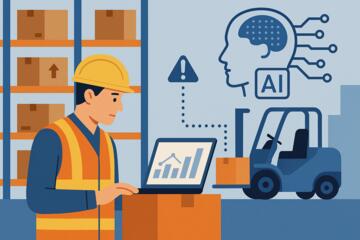
1. Predictive Hazard Detection
Machine-learning models analyze data from:
-
CCTV cameras
-
Wearable sensors
-
Forklift telematics
-
IoT devices
-
Environmental monitors
Using this data, ML identifies risk indicators such as:
-
Worker congestion
-
Unsafe forklift routes
-
Repetitive strain patterns
-
Hazardous object placement
-
Sudden temperature or chemical spikes
According to the U.S. Occupational Safety and Health Administration (OSHA), warehouses report over 5 injuries per 100 employees annually. Predictive analytics can reduce these incidents significantly by detecting unsafe conditions before they escalate.
2. Real-Time Safety Alerts
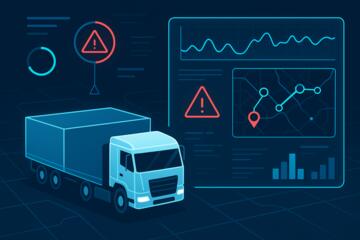
ML integrates with warehouse management systems (WMS) to send alerts:
-
When workers enter restricted zones
-
If equipment malfunctions
-
During near-collision scenarios
-
When items fall from shelves
-
If workers lift loads incorrectly
Solutions like StrongArm Technologies use wearable ML devices to reduce ergonomic injuries by up to 40%.
3. Smarter Traffic and Route Management
Machine learning optimizes the movement of:
-
Forklifts
-
AMRs (autonomous mobile robots)
-
Pallet jacks
-
Pickers and packers
AI predicts traffic flow throughout the day and prevents bottlenecks. Companies like Toyota Material Handling use ML to improve route efficiency and reduce collision risks.
4. Fatigue and Behavioral Monitoring
ML can detect patterns linked to:
-
Worker fatigue
-
Distraction
-
Excessive workload
-
Unsafe handling behaviors
Wearables and sensor-equipped PPE help supervisors identify risks early and intervene.
How Machine Learning Improves Warehouse Operations
1. Inventory Accuracy and Speed
Machine learning strengthens inventory control by:
-
Classifying SKU movement patterns
-
Predicting stock-outs
-
Identifying misplacements
-
Optimizing picking routes
Research from MIT’s Center for Transportation & Logistics found that AI-driven picking algorithms improve picking speed by 25–40%.
2. Enhanced Demand Forecasting
ML uses historical sales, seasonality, and real-time trends to forecast demand. This helps warehouses:
-
Maintain optimal stock levels
-
Reduce overstocking
-
Avoid shortages
-
Improve supplier ordering cycles
AI-powered forecasting tools like Blue Yonder and Oracle SCM are widely used in modern supply chains.
3. Automation of Low-Value Tasks
Machine learning identifies repetitive tasks suitable for automation, such as:
-
Label scanning
-
Quality checks
-
Shipment sorting
-
Pallet organization
Autonomous robots like Amazon Kiva Systems rely on ML navigation algorithms to increase operational throughput.
4. Equipment Maintenance and Monitoring
Predictive maintenance uses ML to detect:
-
Motor overheating
-
Conveyor belt wear
-
Battery degradation
-
Misalignment in automated systems
According to Deloitte, predictive maintenance reduces equipment downtime by up to 30% and increases asset lifespan.
Real-World Brands Using Machine Learning in Warehousing
Amazon
Uses ML for:
-
Robotic picking
-
Path optimization
-
Worker proximity alerts
-
Inventory forecasting
-
Real-time hazard detection
FedEx
Employs ML for:
-
Sorting automation
-
Vehicle routing
-
Predictive maintenance
-
Package anomaly detection
Walmart
Uses AI to control inventory levels and detect safety risks in distribution centers.
Toyota
Applies ML algorithms to forklift telematics to prevent accidents and enhance route efficiency.
Implementing Machine Learning in Your Warehouse: A Step-by-Step Guide
Step 1: Start With a Safety and Operations Audit
Identify:
-
High-risk zones
-
Common accident types
-
Slow workflows
-
Repetitive tasks
-
Equipment downtime patterns
This provides a baseline for ML impact measurement.
Step 2: Deploy IoT Sensors and Data Infrastructure
Machine learning requires consistent data streams from:
-
Cameras
-
RFID tags
-
Barcode scanners
-
Forklift sensors
-
Wearables
-
Building management systems
Step 3: Select an ML Platform
Look for platforms with:
-
Real-time analytics
-
Pre-built safety models
-
Customizable dashboards
-
Integration with your WMS
-
Strong cybersecurity protections
Popular solutions include TensorFlow, Microsoft Azure ML, and Amazon SageMaker.
Step 4: Train Models Using Historical Data
Use:
-
Past incidents
-
Equipment logs
-
Traffic patterns
-
Picking histories
-
Temperature and humidity data
ML systems need several weeks of training before becoming fully accurate.
Step 5: Integrate Alerts Into Daily Operations
Ensure your team receives alerts via:
-
Mobile apps
-
Wearable devices
-
Forklift consoles
-
WMS dashboards
-
Email or SMS notifications
Step 6: Monitor KPIs and Adjust Models
Track:
-
Injury reduction rate
-
Picking speed
-
Equipment downtime
-
Congestion events
-
Inventory accuracy
Refine models continuously based on new data.
Common Mistakes When Implementing ML in Warehouses
Mistake 1: Not Cleaning Data Before Training
ML systems struggle with inconsistent or missing data.
Standardize formats and remove duplicates before deploying models.
Mistake 2: Expecting Instant Results
ML systems need time to learn patterns.
Early inaccuracies don't mean failure.
Mistake 3: Ignoring Worker Training
If employees don’t understand alerts or dashboards, safety improvements decrease sharply.
Mistake 4: Over-Automating Too Fast
Automation must evolve gradually.
Cultural change matters as much as technical change.
Mistake 5: Poor Integration With Existing Systems
Machine learning must connect seamlessly with:
-
WMS
-
ERP
-
HR systems
-
IoT networks
Actionable Tips for Improving Warehouse Safety With Machine Learning
-
Install cameras in high-risk zones such as loading docks.
-
Use ML-powered wearables for ergonomic monitoring.
-
Add forklift telematics to detect sharp turns or speeding.
-
Deploy anomaly detection to catch mis-scanned shipments.
-
Use ML to optimize picking zones to reduce worker travel time.
-
Implement predictive maintenance to prevent equipment failures.
These steps can reduce injuries and improve throughput by double-digit percentages.
Author’s Insight
During a consulting engagement with a large regional distribution center, I witnessed how poor visibility created unnecessary risks. Forklifts often crossed pedestrian areas, and minor collisions happened weekly. After implementing an ML-based telematics system and adding wearable sensors to the team, near-miss incidents dropped by 35% in two months.
What surprised leadership most was not the reduction in accidents but the improvement in morale. Workers felt safer because alerts were contextual and supportive—not punitive.
Machine learning didn’t replace safety culture; it strengthened it.
Conclusion
Machine learning improves warehouse safety and operations by predicting hazards, optimizing workflows, and enabling smarter decision-making. By integrating sensors, IoT devices, and intelligent algorithms, organizations create safer environments and more efficient logistics processes. The future of warehousing belongs to companies that embrace machine learning early—and use it to protect workers while accelerating performance.