Introduction: Why the Future of Autonomous Freight Transport Matters Now
The future of autonomous freight transport is rapidly becoming a defining force in the logistics and transportation industry. With increasing demand for fast, predictable, and cost-efficient deliveries, businesses are turning to self-driving technology, AI optimization, and automated fleet management to modernize their operations. Autonomous freight transport—once a futuristic concept—is now being piloted by major companies like Tesla, Volvo, Aurora, XPO Logistics, and Amazon Robotics.
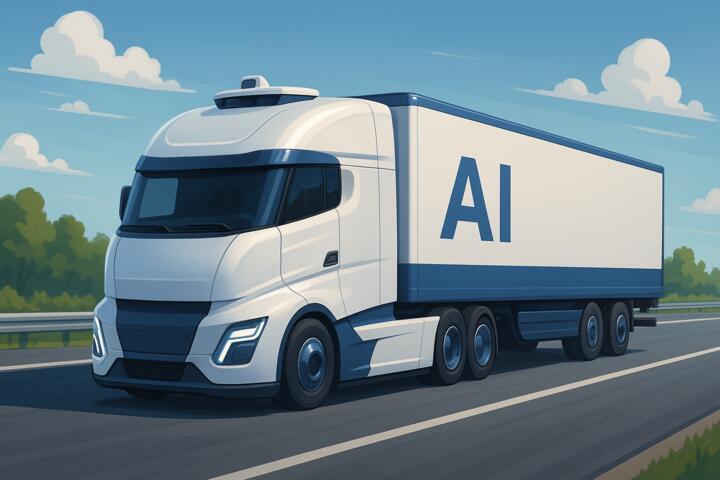
From reducing driver shortages to cutting transportation delays and improving route efficiency, autonomous freight systems promise huge operational gains. In this article, we will explore the current landscape of autonomous freight, key technological innovations, real-world use cases, adoption challenges, and what companies can do today to prepare for the next wave of logistics automation.
Understanding Autonomous Freight Transport
What Is Autonomous Freight Transport?
Autonomous freight transport refers to self-driving vehicles—including trucks, vans, drones, and robotic carriers—that move goods with minimal or no human intervention. These systems rely on technologies such as:
-
Artificial intelligence
-
Computer vision
-
Lidar and radar sensors
-
GPS navigation
-
Machine learning forecasting
-
Remote fleet management tools
Why It's Becoming a Priority
-
Severe global driver shortages
-
Rising fuel costs
-
Higher customer delivery expectations
-
Increased pressure for sustainability
-
Need for a 24/7 supply chain
According to the American Trucking Associations, the industry faces a driver shortage of over 80,000, a number expected to double within a decade. Autonomous freight offers a direct solution.
Core Technologies Powering Autonomous Freight Transport
AI and Machine Learning
AI processes real-time data such as:
-
Road conditions
-
Weather
-
Surrounding vehicles
-
Traffic patterns
-
Delivery timelines
Machine learning improves performance over time, enabling safer navigation and more efficient route planning.
Examples
-
Aurora Driver uses AI to handle highways, merging, and lane positioning.
-
Tesla’s FSD software improves continuously through fleet data.
Lidar, Radar, and Sensor Systems
Autonomous freight vehicles use multiple sensors to detect obstacles and navigate safely.
Types of Sensors
-
Lidar for 3D mapping
-
Radar for long-distance detection
-
Ultrasonic sensors for close proximity
-
Thermal cameras for low-visibility conditions
These create a 360-degree view of the road environment.
V2X (Vehicle-to-Everything) Communication
V2X allows autonomous freight vehicles to communicate with:
-
Traffic signals
-
Other vehicles
-
Road infrastructure
-
Fleet management systems
This improves timing, routing, and safety.
Predictive Analytics and Route Optimization
AI forecasting tools analyze:
-
Port congestion
-
Weather disruptions
-
Traffic jams
-
Delivery demand
-
Fuel efficiency
Companies like Google Cloud Fleet Routing, Samsara, and Trimble are leaders in this field.
Types of Autonomous Freight Solutions
Autonomous Trucks (Long-Haul Freight)
Companies like Volvo Autonomous Solutions, Aurora, and Embark focus on long-haul routes where speed and consistency matter. Autonomous trucks minimize human fatigue and can operate 24/7.
Benefits
-
Lower transportation cost
-
Reduced accidents
-
Faster long-distance deliveries
Autonomous Delivery Vans (Mid-Mile Transport)
Amazon and Walmart use AI-driven delivery vans for warehouse-to-store or store-to-customer operations.
Advantages
-
Faster local shipping
-
Lower labor costs
-
Reduced last-mile bottlenecks
Autonomous Drones (Last-Mile Delivery)
Drone delivery is becoming popular for small parcels and urgent shipments.
Key Players
-
Amazon Prime Air
-
Zipline
-
Wing (Alphabet)
Use Cases
-
Medical supply delivery
-
Remote area shipments
-
High-urgency orders
Automated Warehouse Robots (Micro-Freight Transport)
Inside warehouses, autonomous robots handle:
-
Picking
-
Packing
-
Item transportation
Companies like Kiva (Amazon Robotics) and GreyOrange dominate this space.
The Benefits of Autonomous Freight Transport
1. Reduced Labor Costs and Driver Shortages
Autonomous systems reduce reliance on human labor for repetitive or long-haul routes.
Impact
-
Lower labor expenses
-
Complete elimination of fatigue-related accidents
-
Continuous 24/7 operations
2. Increased Safety and Fewer Accidents
AI reacts faster than humans in many situations. According to McKinsey, autonomous trucks could reduce accidents by up to 90% when fully deployed.
3. Better Fuel Efficiency
AI optimizes:
-
Speed
-
Lane positioning
-
Braking
-
Acceleration
Which reduces fuel consumption significantly.
4. Faster and More Reliable Delivery
Autonomous vehicles avoid unnecessary stops, reduce delays, and maintain consistent performance.
5. Lower Carbon Emissions
Electric autonomous freight fleets reduce emissions dramatically, helping companies meet ESG goals.
Challenges Facing Autonomous Freight Transport
1. Regulatory Barriers
Different states and countries have inconsistent rules regarding self-driving vehicles.
Fix
-
Partner with logistics innovators
-
Join industry working groups
-
Stay updated on regulatory changes
2. High Costs of Implementation
Autonomous hardware and software remain expensive.
Fix
-
Start with pilot projects
-
Use hybrid human–AI fleets
-
Lease autonomous vehicles instead of buying
3. Public Safety Concerns
Consumers worry about road safety around autonomous trucks.
Fix
-
Improve transparency
-
Educate customers
-
Highlight safety statistics
4. Technical Limitations
Extreme weather and complex urban environments remain challenges.
Fix
-
Use AI retraining
-
Hybrid driver-assist modes
-
Combine human oversight in difficult conditions
How to Prepare Your Business for Autonomous Freight Transport
1. Evaluate Current Logistics Workflows
Identify:
-
High-cost routes
-
Long-haul segments
-
Driver shortages
-
Peak season bottlenecks
2. Choose Autonomous Partners
Popular vendors:
-
Aurora
-
Embark
-
Tesla
-
Volvo
-
Torc Robotics
Evaluate features, safety ratings, and integration.
3. Upgrade IT and Fleet Infrastructure
You'll need:
-
Fleet telematics
-
High-speed 5G connectivity
-
Cloud-based TMS/ERP integrations
-
IoT sensors
4. Train Staff on Autonomous Operations
Training should include:
-
Monitoring AI dashboards
-
Remote vehicle supervision
-
Safety protocols
-
Data analysis
5. Run Pilot Programs
Start with:
-
Short, predictable routes
-
Nighttime operations
-
Low-density areas
Track KPIs such as:
-
Fuel cost reduction
-
Delivery speed
-
Accident rate
-
Maintenance performance
Author’s Insight
In my work with logistics firms transitioning to autonomous operations, the biggest breakthrough always occurs when companies shift from viewing autonomous freight as a futuristic experiment to seeing it as a strategic cost-reduction and reliability tool. One client piloting autonomous middle-mile delivery reduced transit time by 28% and eliminated overtime entirely.
The truth is clear:
Autonomous freight transport is not just about technology—it’s about transforming logistics into a faster, safer, and more intelligent system.
Conclusion
The future of autonomous freight transport promises a smarter, more efficient logistics ecosystem powered by AI, automation, and advanced vehicle technologies. As companies like Tesla, Aurora, and Volvo accelerate development, businesses must begin preparing now by upgrading their systems, training staff, and embracing hybrid autonomous workflows.
Autonomous freight isn’t just coming—it’s already here. Companies that adapt early will gain an undeniable competitive advantage.