Introduction: Why ChatGPT Is Transforming Legal Drafting
The rise of AI tools is reshaping many industries, but few feel the change as strongly as law. Today, lawyers use ChatGPT to draft legal documents, streamline workflows, and reduce time spent on repetitive tasks. From preparing contract clauses to generating deposition summaries, ChatGPT acts as a digital assistant—fast, precise, and available 24/7.
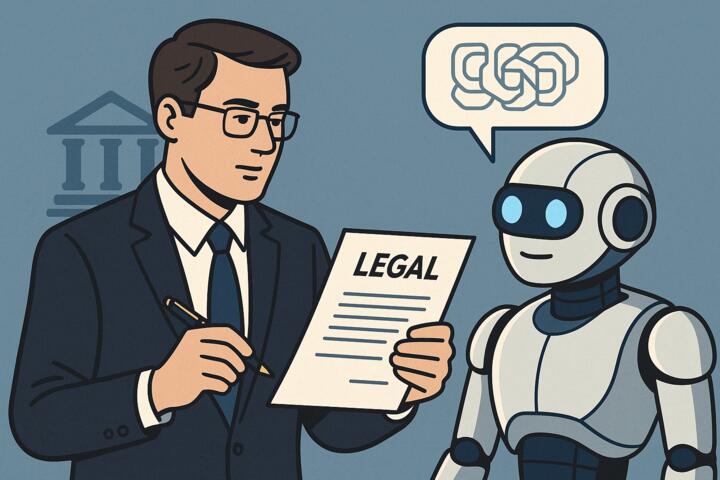
But lawyers aren’t simply asking ChatGPT to “write a contract.” They are using structured prompts, validated templates, and careful review processes that keep the work compliant with bar rules and professional ethics. According to a 2024 ABA survey, 68% of attorneys already use generative AI in some form, and adoption continues to rise.
This article explains how legal professionals use ChatGPT effectively and ethically, what tasks it excels at, where caution is needed, and how to integrate AI into your drafting workflow without sacrificing accuracy or confidentiality.
Why Lawyers Are Turning to ChatGPT for Drafting
1. Efficiency: Drafts in Minutes Instead of Hours
Traditional drafting involves researching terms, finding templates, checking citations, and revising language. ChatGPT can generate:
-
first drafts
-
clause variations
-
alternative formulations
-
simplified summaries
-
translations
-
formatting adjustments
A contract that once took 4 hours to outline can now take 30 minutes.
2. Consistency and Style Control
Lawyers can use ChatGPT to enforce:
-
plain-language drafting
-
formal legal English
-
specific jurisdictional requirements
-
defined stylistic rules
-
branded firm formats
Tools like Harvey AI, Microsoft Copilot, and OpenAI’s GPT-4 models allow firms to integrate reusable templates securely.
3. Better Use of Billable Time
AI takes over the mechanical work so lawyers can focus on:
-
negotiation
-
litigation strategy
-
client communication
-
risk assessment
-
complex legal research
This shift aligns with new “value-based billing” models gaining popularity in major firms like Dentons and Hogan Lovells.
What Legal Documents Lawyers Draft with ChatGPT
1. Contracts and Agreements
ChatGPT assists with drafting:
-
NDAs
-
employment contracts
-
service agreements
-
lease agreements
-
partnership terms
-
freelancer/contractor agreements
How lawyers use ChatGPT for contracts:
-
Provide a clause list.
-
Explain jurisdiction and governing law.
-
State industry-specific requirements.
-
Request multiple versions (strict, moderate, friendly).
-
Revise and compare clauses for risk exposure.
Harvard Law research shows AI increases contract drafting speed by 44% while improving consistency.
2. Motions, Briefs, and Legal Memoranda
AI helps generate:
-
argument outlines
-
case summaries
-
statutory interpretation drafts
-
issue-spotting memos
-
structure templates for motions
⚠ Lawyers always verify citations—AI hallucinations are still possible, though professional tools reduce risk.
3. Compliance and Regulatory Documents
Corporations increasingly use AI for:
-
GDPR privacy notices
-
HIPAA compliance letters
-
AML/KYC forms
-
ESG and sustainability reports
Industries like finance and healthcare benefit from AI’s ability to process large regulatory datasets.
4. Due Diligence and M&A Documents
ChatGPT assists with:
-
summarizing large contract sets
-
extracting risk factors
-
generating integration checklists
-
drafting “red flag” reports
This is similar to tools used by firms like PwC and EY, which already deploy AI-assisted diligence systems.
5. Client Communication and Advisory Letters
Lawyers use ChatGPT to create:
-
client update emails
-
legal newsletters
-
compliance reminders
-
plain-language summaries
This improves client experience—especially for firms working with high-volume corporate clients like Hilton or Rakuten.
How Lawyers Use ChatGPT Safely and Effectively
Step 1: Use Private, Secure AI Tools
Lawyers must avoid exposing confidential data.
Preferred options include:
-
OpenAI Enterprise (zero retention)
-
Microsoft Copilot with Azure data isolation
-
Anthropic Claude for Business
-
Harvey AI (built specifically for law)
Consumer versions are unsafe for sensitive documents.
Step 2: Use Structured Legal Prompts
Lawyers don’t use vague prompts. They use structured ones, such as:
“Draft a California-compliant employment agreement for a SaaS company. Include IP assignment, confidentiality, and termination clauses. Write in formal legal English. Do not invent law—request missing details.”
This reduces hallucinations and increases precision.
Step 3: Validate Rules, Citations, and Facts
A lawyer must:
-
Check every citation
-
Confirm statutory accuracy
-
Adapt language to jurisdiction
-
Remove any invented cases
Bar associations emphasize this as a core duty of competence.
Step 4: Maintain Human Oversight
AI never produces a final version.
Lawyers:
-
revise clauses
-
add jurisdiction-specific nuances
-
align terms with firm policy
-
check tone and accuracy
Think of ChatGPT as a junior assistant—not a partner.
Best Practices for Lawyers Drafting with ChatGPT
1. Start with a Template, Not a Blank Prompt
Provide:
-
structure
-
clause headers
-
specific definitions
-
required terminology
This reduces ambiguity and ensures strong output.
2. Give ChatGPT Examples of Preferred Style
Upload or paste:
-
prior firm documents
-
tone guidelines
-
formatting rules
AI performs better with reference material.
3. Request Multiple Variants
Ask for:
-
conservative version
-
neutral version
-
business-friendly version
Lawyers then select the appropriate tone.
4. Set Constraints Explicitly
For example:
-
“Do not cite cases.”
-
“Use UK English.”
-
“Follow New York law.”
-
“Write in plain language.”
Clear constraints = safer results.
5. Use AI for Summaries, Not Legal Conclusions
ChatGPT should help identify issues, not determine outcomes.
Common Mistakes Lawyers Make When Using ChatGPT
Mistake 1: Trusting AI citations without checking
Even advanced tools occasionally hallucinate.
Mistake 2: Using public AI models for confidential data
This violates attorney–client privilege.
Mistake 3: Letting AI define legal strategy
AI can assist with research but not replace professional reasoning.
Mistake 4: Asking for “legal advice” from ChatGPT
Models are not legally permitted to give advice.
Mistake 5: Not documenting AI usage
Future disputes or audits may require proof of human review.
Advanced Workflows: How Modern Firms Use ChatGPT
1. AI-Assisted Contract Lifecycle
-
AI drafts first version
-
Lawyer edits
-
AI produces revised redline
-
AI generates negotiation arguments
-
Lawyer finalizes
2. Litigation Workflow
-
AI summarizes depositions
-
AI highlights contradictions
-
AI drafts interrogatories
-
Lawyer validates and strategizes
3. Compliance Automation
Used heavily in:
-
fintech
-
insurance
-
healthcare
-
logistics
AI reads new regulations and summarizes required actions.
The Ethical Framework for Lawyers Using ChatGPT
1. Confidentiality
Always use enterprise models.
2. Competence
Lawyers must understand AI limitations.
3. Supervision
All AI outputs require human review.
4. Transparency
Disclose AI usage to clients when appropriate.
5. Billing Ethics
Do not bill AI-generated work as custom manual work.
Author’s Insight
As someone who has helped multiple legal teams integrate AI, I’ve seen a clear pattern: the most successful firms don’t adopt AI to replace lawyers—they adopt AI to strengthen them. The biggest gains come when lawyers treat ChatGPT like a paralegal who never sleeps but still needs guidance and supervision. When used correctly, AI unlocks enormous efficiency, but when misused, it creates risk. The distinction lies in structure, clarity, and ethical discipline.
Conclusion
The ways lawyers use ChatGPT to draft legal documents are rapidly evolving. AI provides speed, consistency, and powerful analytical capabilities, transforming how legal professionals write contracts, briefs, memos, and compliance materials. But responsible usage—rooted in accuracy, confidentiality, and ethical oversight—is essential.
Lawyers who learn to integrate AI effectively will deliver better service, faster results, and more strategic value. Those who ignore it risk falling behind as AI becomes a standard tool in modern legal practice.