Introduction: Why Cutting Transportation Costs With AI Is Becoming Essential
Transportation costs are rising globally due to higher fuel prices, driver shortages, inflation, and increased supply chain complexity. For logistics companies, retailers, manufacturers, and delivery services, transportation is often the largest operational expense, accounting for 30–50% of total supply chain costs. That is why many organizations are now investing in artificial intelligence. AI helps cut transportation costs by optimizing routes, forecasting demand, reducing fuel usage, automating planning tasks, and improving asset utilization.
From UPS to Maersk to Rakuten Logistics, leading brands use AI-driven systems to reduce mileage, speed up deliveries, and avoid costly inefficiencies. This article breaks down exactly how AI reduces transportation expenses, how to implement it, mistakes to avoid, and practical steps for immediate cost savings.
Understanding Rising Transportation Costs
Before exploring AI solutions, it’s important to understand why transportation costs remain high.
Key Cost Drivers
-
Fuel price fluctuations
-
Labor shortages and overtime
-
Rising insurance rates
-
Poor route planning
-
Unpredictable demand
-
Idle time and empty miles
-
Equipment breakdowns
-
Administrative overhead
AI addresses these issues by improving accuracy, reducing waste, and enabling smarter decision-making.
How AI Helps Cut Transportation Costs: Core Areas of Impact
Route Optimization With AI
AI-driven route optimization tools analyze:
-
Real-time traffic
-
Weather patterns
-
Delivery windows
-
Vehicle capacity
-
Driver schedules
-
Fuel efficiency
How It Saves Money
-
Reduces mileage by 10–25%
-
Cuts fuel consumption
-
Minimizes driver overtime
-
Avoids high-congestion zones
Tools Used
-
Google Cloud Fleet Routing
-
Verizon Connect
-
Route4Me
-
AWS IoT FleetWise
Example
UPS uses machine learning to avoid left turns, saving 10 million gallons of fuel annually and reducing CO₂ emissions.
Demand Forecasting and Capacity Planning
AI forecasting models predict:
-
Shipment volumes
-
Seasonal spikes
-
Customer demand
-
Inventory movement
This enables companies to plan fleet usage and staffing more accurately.
Benefits
-
Avoid overbooking trucks
-
Reduce expensive last-minute shipments
-
Prevent underutilized fleet capacity
Real-World Example
Amazon uses predictive modeling to pre-position inventory closer to customers. This reduces fulfillment transportation costs by double digits.
Preventive Maintenance Powered by AI
Fleet breakdowns are extremely costly — both in repairs and downtime. AI uses sensor data to predict failures.
AI Can Predict
-
Engine failures
-
Tire pressure issues
-
Brake wear
-
Battery problems
-
Fuel leakage
Cost Savings
-
30–40% fewer emergency repairs
-
Longer vehicle lifespan
-
Reduced downtime
Example
DHL uses predictive maintenance to cut fleet repair costs by over 20% using IoT and machine learning.
Fuel Efficiency Optimization
Fuel is one of the largest transportation expenses. AI improves fuel efficiency by analyzing:
-
Driver behavior
-
Idle time
-
Acceleration patterns
-
Speed variances
-
Load weight
-
Route terrain
Benefits
-
Up to 15% fuel savings
-
Less vehicle strain
-
Lower emissions
-
More consistent driver performance
AI coaching systems such as Samsara, Geotab, and Lytx offer real-time driving improvement suggestions.
Dynamic Pricing, Load Matching, and Reducing Empty Miles
Empty miles — when a truck returns with no cargo — waste fuel and time. AI-powered load matching platforms help companies fill unused capacity.
Tools
-
Convoy
-
Uber Freight
-
Loadsmart
How It Cuts Costs
-
Higher load utilization
-
Lower per-mile cost
-
Fewer wasted trips
-
Optimized partnerships with suppliers
Some companies report 20–30% fewer empty miles using AI matching.
Warehouse–Transportation Synchronization
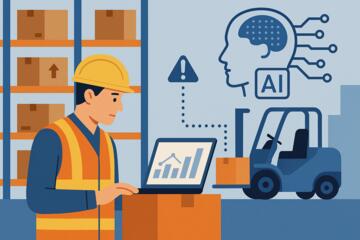
Delays in the warehouse cause transport inefficiencies. AI aligns warehouse workflows with fleet scheduling.
AI Coordinates
-
Dock availability
-
Loading times
-
Worker schedules
-
Order batching
Result
Less waiting time ⇢ lower driver costs ⇢ faster fulfillment.
Companies using AI-based dock scheduling reduce detention fees by up to 50%.
Automated Paperwork and Billing
AI eliminates manual errors and speeds up administrative tasks.
AI Automates
-
Bills of lading
-
Freight invoices
-
Customs documents
-
Delivery confirmations
-
Settlement forms
Savings
-
Fewer disputes
-
Faster invoicing
-
Lower admin labor costs
Platforms like UiPath, ABBYY FlexiCapture, and Microsoft Power Automate are commonly used.
Fleet Management AI for Real-Time Decision Making
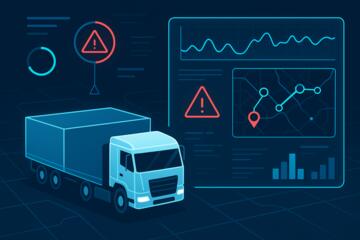
AI systems monitor the entire fleet and recommend actions in real time.
Actions AI Can Suggest
-
Re-route a driver
-
Avoid weather disruption
-
Reassign a shipment
-
Switch to another depot
-
Suggest fuel stop locations
This avoids unnecessary cost spikes and prevents unexpected delays.
How to Start Cutting Transportation Costs With AI: Step-by-Step Guide
1. Identify Your Cost Centers
Analyze:
-
Fuel spend
-
Maintenance fees
-
Driver overtime
-
Route delays
-
Detention fees
-
Empty miles
This creates a priority list.
2. Choose the Right AI Tools
Consider tools in these categories:
-
Route optimization (Route4Me, Google Fleet Routing)
-
Fleet telematics (Samsara, Geotab)
-
Load matching (Convoy, Uber Freight)
-
Predictive maintenance (Uptake, Pitstop)
-
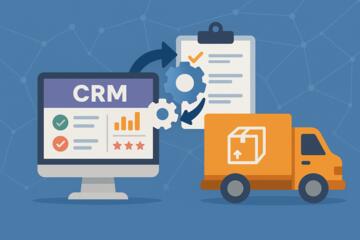
IDP for paperwork automation (ABBYY, UiPath)
3. Integrate AI With Current Systems
Ensure connectivity to:
-
TMS
-
WMS
-
ERP
-
Telematics sensors
-
GPS devices
Systems like SAP, Oracle, NetSuite, and Microsoft Dynamics offer ready-made integrations.
4. Train Models Using Your Data
AI becomes more accurate with:
-
Historical delivery times
-
Route patterns
-
Fleet health data
-
Fuel usage logs
Better data = better recommendations.
5. Start with One Pilot Project
Best pilot choices:
-
Route optimization
-
Predictive maintenance
-
Load matching
Measure performance improvements before expanding.
6. Scale and Optimize
Once pilots show clear savings, gradually automate:
-
document workflows
-
driver coaching
-
demand forecasting
-
pricing adjustments
Common Mistakes to Avoid When Using AI for Transportation Cost Reduction
1. Expecting Immediate ROI
AI needs data and training. Results improve over time.
2. Ignoring Data Quality
Dirty data leads to inaccurate predictions.
3. Lack of Employee Training
Drivers and dispatchers must understand the AI suggestions.
4. Not Integrating all Systems
Siloed systems reduce AI efficiency.
5. Focusing on Too Many Use Cases at Once
Start small and scale.
Real-World Examples of AI Cutting Transportation Costs
UPS
Saved millions by using AI route optimization and reducing left turns.
DHL
Uses predictive maintenance to reduce downtime and repair costs.
Amazon
Improved last-mile delivery efficiency using AI forecasting and routing.
Maersk
Uses AI for ocean freight scheduling to avoid delays and reduce fuel burn.
These companies demonstrate that AI isn’t optional — it’s essential for competitive logistics.
Author’s Insight
Working with logistics clients over the years, I’ve repeatedly seen how operational blind spots drain transportation budgets. One client spent thousands monthly on unnecessary driver overtime simply because routes were manually planned. After implementing an AI routing tool connected to live traffic and telematics data, overtime dropped by 40%, fuel costs decreased, and delivery windows became more predictable.
The biggest lesson?
AI doesn’t just automate — it reveals hidden inefficiencies you didn't even know were costing you money.
Conclusion: AI Is the Key to Lowering Transportation Costs in 2025 and Beyond
Artificial intelligence is reshaping the economics of transportation. By optimizing routes, predicting demand, improving fuel efficiency, automating paperwork, and enhancing fleet performance, AI helps companies significantly reduce operational costs. Organizations that implement AI today gain a competitive advantage through lower expenses, faster deliveries, and higher customer satisfaction.
AI isn’t just the future — it’s the most powerful tool available right now for cutting transportation costs.