Popular Articles

How AI Helps Cut Transportation Costs
Learn how AI helps cut transportation costs by optimizing routes, predicting demand, reducing fuel consumption, preventing delays, and automating key logistics operations. Explore real-world examples from companies like DHL, UPS, and Amazon, discover practical implementation steps, and understand which AI tools deliver the highest ROI. This in-depth guide shows how smart automation can transform your fleet efficiency and save your business money today.
logistics
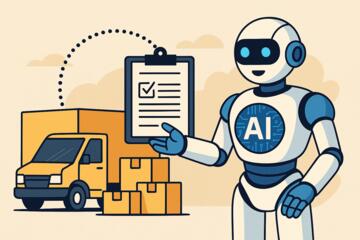
Automating Logistics Paperwork with AI
Discover how automating logistics paperwork with AI is transforming freight operations, reducing compliance risks, and accelerating shipping workflows. Learn how machine learning, OCR, and intelligent document processing streamline bills of lading, invoices, customs forms, and delivery confirmations. Explore real examples, essential tools, implementation steps, and expert insights to modernize your logistics operations with AI-driven automation today.
logistics
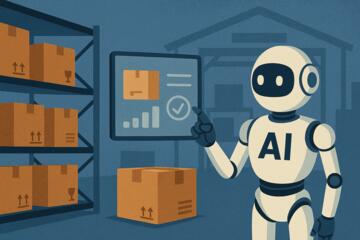
Smart Warehouses: AI Inventory Management Systems
Discover how AI inventory management systems are transforming smart warehouses with real-time analytics, automation, and predictive insights. Learn how companies like Amazon, DHL, and Siemens leverage artificial intelligence to reduce errors, optimize storage, and boost efficiency. Explore the top AI warehouse technologies, key features to look for, and expert insights on implementing a future-ready smart inventory management strategy.
logistics

Predictive Logistics: Preventing Supply Chain Disruptions
Discover how predictive logistics uses AI, data analytics, and IoT to prevent costly supply chain disruptions. Learn how global leaders like DHL, IBM, and Amazon predict delays, optimize routes, and improve efficiency. Build a resilient, future-ready logistics network that anticipates problems before they occur. Start transforming your supply chain today with predictive technology and smarter data-driven decisions.
logistics

Understanding Supply Chain Management: Key Components and Best Practices
Supply chain management is a critical aspect of modern business operations, encompassing the entire process from raw material procurement to the delivery of finished products to end customers. Efficient supply chain management ensures that goods and services are delivered on time, at the right cost, and in the right condition. This article explores the key components of supply chain management and provides best practices to optimize your supply chain operations, helping you improve efficiency, reduce costs, and enhance customer satisfaction.
logistics
The Role of Logistic Companies in Modern Supply Chains
Discover the vital role of logistic companies in modern supply chains and how they enhance efficiency, reduce costs, and support global trade. Learn about logistics functions, innovative technologies like AI and IoT, and top players such as DHL, FedEx, and Maersk. Understand how third-party logistics (3PL) providers streamline operations, what to look for when choosing partners, and how digital transformation is reshaping the future of global logistics.
logistics

Optimizing Warehouse Management for Efficiency and Productivity
Warehouse management is crucial for streamlining operations, improving efficiency, and ensuring smooth supply chain functioning. In today’s fast-paced business world, optimizing warehouse operations can lead to significant improvements in productivity, cost reduction, and customer satisfaction. This article explores key strategies for optimizing warehouse management, focusing on automation, layout design, inventory control, and staff training to boost overall performance.
logistics

Smart Procurement Systems in Logistics
Smart procurement systems in logistics help shippers and carriers plan purchases of freight services, warehousing, packaging, and maintenance supplies using data from orders, contracts, and inventory. This matters because procurement errors raise costs, delay shipments, and create compliance risk. This article explains how these systems work, where teams often misread signals, and how to evaluate vendor bids, lead times, and contract terms using practical checklists and examples.
logistics
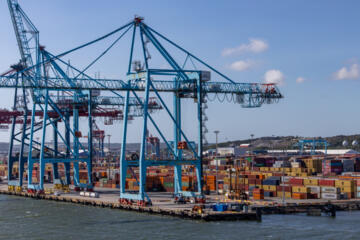
Enhancing Port Operations with Predictive Algorithms
Port operations depend on schedules, yard capacity, equipment availability, and vessel arrivals. This article explains how predictive algorithms can forecast congestion, dwell time, and equipment bottlenecks using measurable signals rather than guesses. It is for logistics managers, analysts, and informed readers who want to evaluate models, understand data needs, and avoid misleading metrics. You will learn practical pain points, realistic outcomes, example workflows, and a decision checklist for predictive port analytics.
logistics

AI for Inventory Shrinkage Prevention
Inventory shrinkage costs retailers and distributors through theft, damage, miscounts, and paperwork gaps. This guide explains how AI can detect patterns in POS, warehouse scans, and purchase orders without pretending it “solves” shrinkage alone. It covers common failure points, data dependencies, and realistic outcomes from pilot projects. Readers will learn how to design an evidence-based shrinkage model, run a controlled test, and avoid common mistakes that create false confidence.
logistics