Introduction: Why AI-Based Performance Evaluation Matters
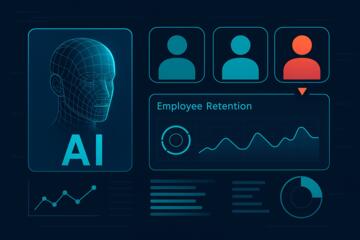
AI evaluates team performance more objectively by analyzing large amounts of behavioral, productivity, and collaboration data that traditional reviews often overlook. Subjective performance assessments can create bias, reduce engagement, and damage trust between employees and leadership. By contrast, AI-driven evaluation systems provide consistent, evidence-based insights grounded in real work patterns.
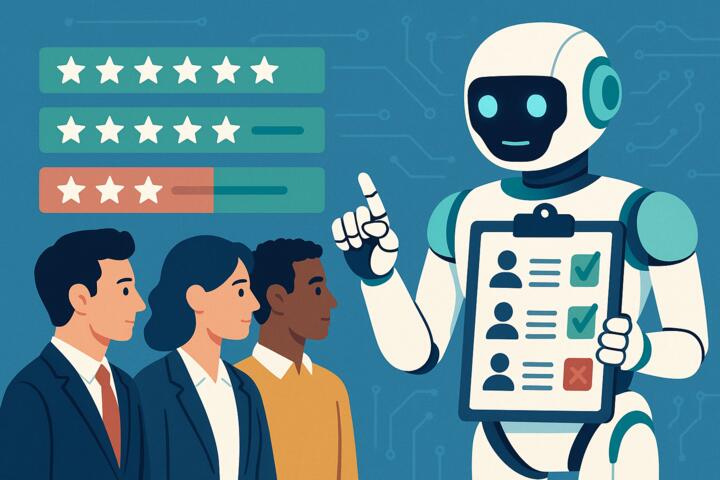
Companies like Google, Accenture, and Microsoft already rely on AI-enhanced tools to support performance reviews, identify team strengths, and optimize workforce planning.
What Does AI-Powered Team Performance Evaluation Mean?
AI-powered performance evaluation uses machine learning models, natural language processing (NLP), and predictive analytics to measure employee and team effectiveness. Instead of relying solely on manager impressions or annual review forms, AI analyzes data from:
-
Project management tools
-
Collaboration platforms (Slack, Teams)
-
CRM systems
-
Code repositories
-
Surveys and sentiment analysis
-
Time-tracking tools
-
Meeting analytics
-
Work output timelines
This creates a holistic, unbiased view of how teams actually work.
Popular tools include:
-
Microsoft Viva Insights
-
Lattice + AI Analytics
-
Workday People Analytics
-
Asana Work Graph AI
-
CultureAmp
How AI Evaluates Team Performance More Objectively
1. Removing Human Bias From Assessments
Traditional evaluations often suffer from:
-
Recency bias
-
Halo effect
-
Manager favoritism
-
Cultural communication differences
-
Extroversion bias
AI evaluates performance based on measurable data, not personality or manager perception. Algorithms analyze consistent variables such as:
-
On-time delivery rates
-
Contribution volume
-
Quality metrics
-
Cross-team collaboration
-
Customer satisfaction trends
This makes assessments more fair and fact-based.
2. Analyzing Collaboration and Communication Patterns
AI tools evaluate communication quality using:
-
Response times
-
Sentiment analysis
-
Meeting participation
-
Cross-department interaction frequency
-
Knowledge-sharing patterns
This reveals how effectively team members collaborate, not just what tasks they complete.
Platforms like Microsoft Viva even measure how much focused time vs. meeting time employees have, identifying inefficiencies and burnout risks.
3. Tracking Output and Productivity Trends
AI examines:
-
Task completion patterns
-
Bottlenecks
-
Contribution distribution
-
Role clarity
-
Workload balance
These insights help organizations understand whether performance issues stem from individuals, processes, or leadership.
4. Detecting Skill Gaps and Growth Opportunities
AI identifies:
-
Missing competencies
-
Employees ready for promotion
-
Areas where training is needed
-
Overlooked high performers
Workday’s AI analytics, for example, matches internal skills with role requirements, helping HR teams plan promotions and development paths more objectively.
5. Predicting Future Team Performance
Machine learning models forecast:
-
Burnout risks
-
Employee turnover probability
-
Project delivery delays
-
Resource shortages
-
Overloaded employees
Predictive analytics allow managers to intervene early with workload adjustments or support.
6. Providing Context-Aware Feedback
AI doesn’t just measure—it interprets.
It can:
-
Highlight strengths
-
Identify improvement areas
-
Suggest personalized development plans
-
Recommend workflow adjustments
This helps leaders coach more effectively.
Why AI Improves Fairness and Accuracy in Team Evaluations
1. Standardized Criteria for All Employees
AI applies measurement logic consistently across teams and roles.
2. Real-Time Insights, Not Annual Opinions
AI continuously updates performance metrics to reflect day-to-day contributions.
3. Comprehensive Data Integration
Instead of relying on a manager’s perspective, AI aggregates information from dozens of sources.
4. Evidence-Based Feedback
Employees can see objective data behind their evaluations.
5. Clearer View of Team Dynamics
AI connects individual performance to team outcomes, improving leadership decisions.
Real-World Examples of Companies Using AI to Evaluate Teams
Uses machine learning models to analyze team effectiveness patterns, identifying traits of high-performing teams (reliability, psychological safety, clarity).
Microsoft
Viva Insights evaluates communication load, focus time, and collaboration patterns, helping leaders spot burnout early.
Deloitte
Uses AI to analyze upward feedback, project history, and peer evaluations to produce real-time performance snapshots.
HubSpot
Integrates AI analytics into sales dashboards to measure rep productivity and customer engagement.
How to Implement AI-Based Team Evaluation in Your Organization
Step 1: Map the Data Sources
Gather:
-
Project data (Asana, Jira)
-
Communication data (Slack, Teams)
-
CRM data (Salesforce, HubSpot)
-
HRIS data (Workday)
-
Survey insights
More data = more accuracy.
Step 2: Define What “Good Performance” Means
Clarify metrics such as:
-
Velocity
-
Quality
-
Collaboration
-
Innovation
-
Customer impact
-
Leadership behaviors
Step 3: Choose an AI Evaluation Platform
Look for:
-
Transparent algorithms
-
Bias detection
-
Role-based dashboards
-
Privacy compliance (GDPR, SOC 2)
-
Integration flexibility
Step 4: Conduct a Pilot With One Team
A/B test AI vs. traditional review outcomes.
Look for:
-
Bias reduction
-
Accuracy improvement
-
Employee feedback quality
Step 5: Train Leaders and Teams
Explain:
-
What data is measured
-
How models work
-
What they don’t measure
-
Ethical guidelines
Transparency builds trust.
Step 6: Implement an Oversight Framework
Maintain:
-
Bias audits
-
Human-in-the-loop review
-
Data governance controls
-
Clear opt-in rules
Common Mistakes When Using AI for Performance Evaluation
Mistake 1: Using AI Without Human Oversight
AI supports—not replaces—manager judgment.
Mistake 2: Poor Data Quality
Incomplete or inconsistent data leads to incorrect evaluations.
Mistake 3: Ignoring Privacy Concerns
Employees must understand what is being tracked and why.
Mistake 4: Over-Focusing on Productivity Metrics
Quality, collaboration, and innovation also matter.
Mistake 5: Lack of Change Management
Employees may distrust AI unless its purpose is clearly communicated.
Actionable Tips for Using AI to Improve Team Performance
-
Use AI summaries before 1:1 meetings to guide conversations.
-
Combine AI insights with peer feedback for a balanced review.
-
Monitor trends, not single data points.
-
Use AI to identify systemic issues, not just individual gaps.
-
Provide employees visibility into their own AI dashboards.
-
Review AI outputs quarterly to prevent drift or bias.
Author’s Insight
While advising a software company, I observed constant friction between engineering and product teams. Traditional performance reviews overlooked these tensions. After implementing AI-based collaboration analytics, leadership discovered that misaligned communication patterns—not lack of effort—were the root cause.
With targeted coaching and process improvements, team productivity increased by 28% in six months.
The experience reinforced a key lesson: AI doesn’t just evaluate people—it reveals hidden dynamics that drive team success.
Conclusion
AI evaluates team performance more objectively by analyzing collaboration data, productivity patterns, sentiment, and workflow metrics that traditional reviews often miss. By reducing bias, improving fairness, and offering real-time insights, AI empowers leaders to make smarter, more informed decisions.
As organizations navigate hybrid work, rapid scaling, and global teams, AI-driven evaluation will become essential for developing high-performing workplaces.