Introduction: Why Real-Time Cargo Tracking with AI Matters More Than Ever
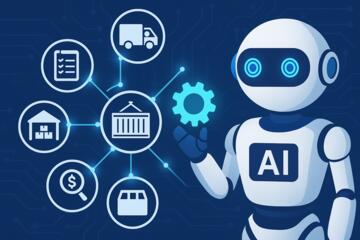
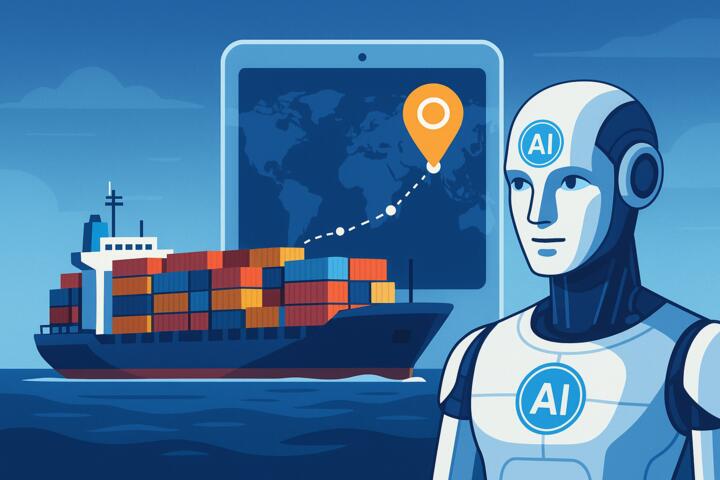
Real-time cargo tracking with artificial intelligence is quickly becoming a competitive necessity in global logistics. Traditional tracking methods rely on manual updates, barcode scanning, and periodic check-ins that leave major visibility gaps. AI eliminates these blind spots by offering continuous, real-time shipment visibility, predictive alerts, improved route accuracy, and automated exception handling.
In a world where delays, damaged goods, and supply chain disruptions cost companies billions, businesses—from small importers to global enterprises like DHL, FedEx, and Maersk—are turning to AI-powered tracking solutions to improve transparency and reduce operational risk. This guide explains how AI transforms cargo tracking, how it works, what tools to use, and how to implement it without common pitfalls.
Understanding the Need for AI-Driven Real-Time Cargo Tracking
Why Traditional Tracking Is No Longer Enough
Traditional cargo tracking relies on:
-
Manual scanning
-
Driver updates
-
Scheduled check-ins
-
Delayed ERP system sync
-
Human-led exception reporting
This leads to:
-
Blind spots between checkpoints
-
Late discovery of delays
-
High theft and loss risk
-
Inaccurate ETAs
-
Increased customer complaints
-
Costly last-minute firefighting
AI solves these issues with smart automation, predictive analytics, and proactive alerts.
How AI Enables Real-Time Cargo Tracking
AI-Powered Sensors and IoT Devices
AI-enabled IoT sensors collect real-time data about cargo status, including:
-
GPS location
-
Temperature
-
Humidity
-
Shock and vibration
-
Door openings
-
Light exposure
-
Container pressure
Why It Matters
These sensors allow companies to detect:
-
Damage
-
Tampering
-
Temperature deviations
-
Unauthorized access
-
Route deviations
Brands like IBM Watson IoT, Samsara, and Bosch IoT Suite are widely used across logistics networks.
Predictive ETA and Delay Forecasting
AI analyzes:
-
Traffic patterns
-
Historical shipment delays
-
Port congestion
-
Weather forecasts
-
Customs backlog
-
Vehicle performance
Benefits
-
More accurate ETAs
-
Reduced customer complaints
-
Better warehouse staffing
-
Improved resource allocation
Amazon and UPS rely heavily on predictive ETA modeling to keep deliveries precise.
Autonomous Decision-Making and Exception Alerts
AI automatically identifies disruptions such as:
-
Temperature violations
-
Cargo diversion
-
Equipment malfunction
-
Missing documentation
-
Unexpected idle time
-
Route obstructions
AI Then Suggests
-
Alternative routes
-
Corrective actions
-
Reassignment of cargo
-
Automated customer notifications
-
Escalation to operators
This lowers response time and reduces the impact of disruptions.
Machine Learning for Risk Management
AI models detect risk patterns such as:
-
Theft-prone zones
-
High-delay regions
-
Weather-sensitive routes
-
Supplier reliability issues
-
Customs delays
Cost Savings Include
-
Fewer lost shipments
-
Reduced insurance claims
-
Lower spoilage rates
-
Improved security compliance
Companies like Maersk use AI to predict and prevent container thefts in high-risk ports.
Digital Twins for Cargo Visibility
A digital twin is a virtual replica of your shipment that updates in real time. AI updates this model based on:
-
Sensor streams
-
Traffic data
-
Port activity
-
Customs status
-
Weather conditions
Why It Matters
Digital twins help you simulate:
-
Delivery outcomes
-
Best reroute options
-
Inventory arrival times
-
Demand forecasting
This enables better planning and smoother operations.
How to Implement Real-Time Cargo Tracking with AI
1. Identify Cargo Tracking Needs
Ask questions like:
-
What cargo types require real-time visibility?
-
Are temperature and humidity critical?
-
Are we facing theft or tampering issues?
-
Where are our bottlenecks?
This helps prioritize solutions such as IoT, ETA prediction, or damage monitoring.
2. Choose AI Tracking Tools and Providers
Popular platforms include:
-
Samsara — telematics and tracking
-
Project44 — predictive ETAs
-
FourKites — multi-modal visibility
-
IBM Watson IoT — sensor intelligence
-
Roambee — live cargo monitoring
These tools integrate with ERP or TMS systems like SAP, Oracle, and Microsoft Dynamics.
3. Install IoT Sensors on Cargo or Containers
Sensors vary by cargo requirement:
-
Temperature sensors for pharmaceuticals
-
Shock sensors for electronics
-
Humidity trackers for food or textiles
-
GPS tags for high-value shipments
Choose devices with long battery life and global connectivity.
4. Integrate AI Data into Your Systems
Ensure seamless syncing with:
-
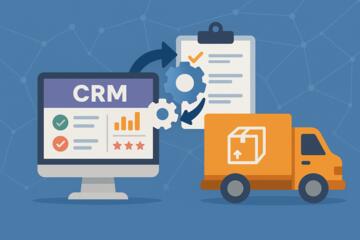
CRM
-
ERP
-
TMS
-
WMS
-
Supplier portals
This creates a unified dashboard for end-to-end cargo tracking.
5. Automate Alerts and Exception Workflows
Configure rules for:
-
Temperature thresholds
-
Route deviations
-
Prolonged idle time
-
Shock events
-
Unauthorized access
AI should automatically notify the right team member or escalate issues.
6. Train Employees on Using AI Tools
Provide training for:
-
Monitoring dashboards
-
Understanding predictive alerts
-
Adjusting shipment plans
-
Responding to incidents
Poor training is one of the biggest reasons AI projects fail.
7. Measure ROI and Optimize
Key metrics include:
-
Reduced spoilage or damage
-
Lower insurance claims
-
Fewer delays
-
Higher ETA accuracy
-
Customer satisfaction improvement
Continuous optimization improves long-term gains.
The Benefits of AI-Powered Real-Time Cargo Tracking
1. Enhanced Shipment Visibility
Get full transparency across air, sea, rail, and truck shipments.
2. Reduced Loss and Theft
AI monitors suspicious activity and sends instant alerts.
3. Lower Transportation Costs
Better route optimization and fewer emergency shipments.
4. Improved Customer Experience
Precise ETAs and real-time updates boost trust.
5. Better Inventory Planning
Accurate arrival forecasts reduce overstock and shortages.
6. Faster Incident Response
AI quickly identifies and escalates problems.
Common Mistakes When Deploying AI Cargo Tracking
1. Poor Sensor Quality
Cheap sensors lead to inaccurate data.
2. Lack of Integration
If ERP/TMS systems can’t sync, visibility disappears.
3. Too Many Alerts
Without proper tuning, teams experience alert fatigue.
4. Underestimating Training Needs
Employees must understand how to act on AI insights.
5. Starting Too Big
A phased rollout works best.
Real-World Use Cases: How Leading Companies Track Cargo with AI
DHL
Uses sensors and AI analytics to monitor temperature-sensitive shipments like pharmaceuticals.
Maersk
Tracks containers in real time using IoT and predictive analytics for ocean freight.
Amazon Logistics
Combines AI routing with predictive ETAs to reduce delivery uncertainty.
FedEx SenseAware
Provides multi-sensor cargo monitoring for high-value shipments.
These examples show how AI is becoming the backbone of modern tracking systems.
Author’s Insight
In my work with logistics companies, I’ve seen firsthand how AI-powered tracking transforms operations. One client transporting electronics frequently faced shipment damage and late deliveries. After adopting AI-enabled vibration and shock sensors combined with predictive routing, the company reduced damage claims by nearly 35% and improved ETA accuracy dramatically.
The lesson is simple:
AI doesn’t just show where your cargo is — it reveals what is happening to it and what will happen next.
Conclusion
Real-time cargo tracking with artificial intelligence is no longer a luxury — it’s a necessity for organizations that want to stay competitive in global logistics. AI improves visibility, reduces loss, enhances ETA accuracy, and enables proactive decision-making. Whether you’re shipping raw materials, electronics, pharmaceuticals, or consumer goods, AI-powered tracking provides the transparency and efficiency required for modern supply chains.
By adopting real-time cargo tracking with AI now, companies can reduce risk, cut costs, and create a more resilient, predictable logistics operation.