Green Intelligence Overview
Sustainability in logistics, powered by AI, involves using machine learning algorithms to predict demand, optimize fuel consumption, and manage reverse logistics. By analyzing historical data and real-time variables like weather and traffic, companies can reduce "empty miles"—trips where trucks travel without cargo. In my practice, I’ve seen firms reduce their carbon footprint by 15% within six months simply by implementing dynamic rerouting models.

The impact is measurable and immediate. According to a report by DHL, AI-enabled route optimization can lead to a 20% reduction in fuel costs. Beyond fuel, AI models help in "green warehousing," where computer vision manages energy consumption based on floor activity. This holistic approach ensures that every link in the supply chain contributes to the overarching goal of ecological preservation.
Predictive Demand Modeling
AI models analyze seasonal trends and market signals to predict exactly how much inventory is needed and where. By placing products closer to the end consumer (hyper-local fulfillment), companies like Amazon reduce the distance traveled for the final mile. This precision eliminates the need for emergency air freight, which is significantly more carbon-intensive than ground or sea transport.
Dynamic Route Optimization
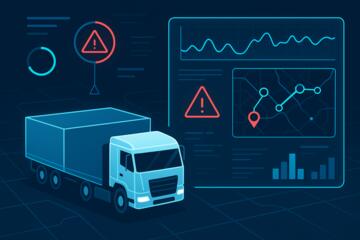
Modern algorithms from providers like Google Cloud Fleet Routing go beyond simple GPS. They factor in vehicle weight, engine type, and even the incline of the road to calculate the most fuel-efficient path. Reducing idling time at intersections and avoiding traffic bottlenecks directly translates to lower CO2 emissions per parcel delivered.
Load Factor Maximization
Underutilized space in containers is a major source of waste. AI-driven 3D load optimization tools ensure that every cubic inch of a trailer is used effectively. By simulating thousands of packing scenarios, these models allow companies to move the same amount of freight with 10% fewer vehicles on the road, drastically cutting the total fleet emissions.
Predictive Maintenance Logic
A poorly maintained vehicle can consume 5% to 10% more fuel. AI models using IoT sensor data from platforms like Samsara can predict when an engine component is failing. By fixing issues before they impact performance, logistics fleets operate at peak efficiency, ensuring that fuel combustion remains as clean as possible throughout the vehicle's lifecycle.
Circular Economy Integration
Reverse logistics—handling returns—is often a sustainability nightmare. AI models streamline this by determining the most carbon-efficient destination for a returned item: a local refurbishment center, a secondary market, or a recycling facility. This prevents products from ending up in landfills and reduces the carbon cost of "backhauling" goods to central hubs.
Critical Supply Chain Gaps
The primary hurdle in sustainable logistics is "Data Silos." Many companies have information trapped in legacy ERP systems that cannot communicate with modern AI models. Without a unified data lake, the AI cannot see the full picture, leading to suboptimal routing decisions. Furthermore, the "Jevons Paradox" remains a threat: as logistics become more efficient and cheaper, the volume of shipping increases, potentially neutralizing the environmental gains.
Another significant pain point is the lack of standardized carbon accounting. Without precise AI modeling to track Scope 3 emissions, many companies rely on vague estimates. This leads to "greenwashing" accusations and prevents actual progress. Real-world situations show that firms failing to integrate precise AI tracking now face heavy penalties under new EU regulations like the Corporate Sustainability Reporting Directive (CSRD).
Strategic Implementation
To implement AI for sustainability, start with a "Digital Twin" of your supply chain. Use platforms like Microsoft Azure Supply Chain Center to simulate different scenarios and identify where the highest emissions occur. By testing changes in a virtual environment first, you can deploy the most effective carbon-reduction strategies with zero risk to current operations.
Focus on the "Last Mile," which often accounts for over 50% of total delivery costs and a huge portion of emissions. Implementing AI-managed electric vehicle (EV) fleets is a game-changer. AI models can manage the charging cycles of these fleets, ensuring they draw power from the grid during peak renewable energy production hours, truly closing the loop on carbon-neutral logistics.
Invest in collaborative shipping models. AI-powered platforms can match shipments from different companies to share space in the same truck. This "Physical Internet" concept requires high-level trust and data sharing but results in massive efficiency gains. Companies using collaborative AI models have reported a 25% reduction in total miles driven across their collective networks.
Success in Carbon Reduction
A global beverage giant, PepsiCo, utilized AI to optimize its distribution in North America. By implementing a machine learning model to reorganize delivery routes and load sequences, they saved over 1.5 million gallons of fuel in a single year. This resulted in a CO2 reduction of approximately 13,000 metric tons, proving that sustainability and high-volume logistics can coexist through technology.
A European fashion retailer faced high return rates and inefficient backhauling. By integrating an AI model that predicted return probability at the point of sale, they shifted inventory placement to local hubs before returns even happened. This decreased their return-related carbon footprint by 22% and saved the company $4 million in annual logistics costs.
Technology Comparison
| AI Tool Category | Primary Service | Sustainability Impact |
|---|---|---|
| Route Optimization | Route4Me / Google Fleet | Reduces fuel burn by 15-20% |
| Telematics/IoT | Samsara / Geotab | Cuts idling and improves engine health |
| Inventory Placement | Blue Yonder / o9 Solutions | Minimizes long-haul transport distances |
| Emissions Tracking | CarbonChain / Watershed | Provides granular Scope 3 data accuracy |
| Warehouse Automation | AutoStore / Ocado | Reduces energy waste via optimized storage |
Common Deployment Pitfalls
A frequent mistake is ignoring the "Human-in-the-Loop." If drivers find AI-generated routes unrealistic or frustrating, they will revert to manual navigation, rendering the model useless. Always validate AI suggestions with real-world feedback from the field. Additionally, don't overlook "Data Quality." If your sensor data is noisy or inaccurate, the AI's "green" recommendations will be flawed.
Many firms also fail to account for the energy consumption of the AI models themselves. Running massive neural networks 24/7 has a carbon cost. To be truly sustainable, use "Green AI" practices: optimize model complexity and run training sessions in data centers powered by 100% renewable energy, such as Google Cloud’s carbon-free regions.
FAQ
Can small fleets afford AI sustainability?
Yes. Many SaaS providers offer "pay-per-route" models. The fuel savings typically pay for the software subscription within the first three months, making it accessible for fleets with as few as five vehicles.
How does AI help with EV transitions?
AI models calculate battery range based on load weight and weather, preventing "range anxiety." They also optimize charging schedules to maximize battery life and minimize energy costs.
Does AI replace human dispatchers?
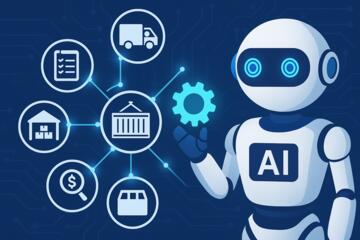
No. AI acts as a "co-pilot," handling complex math and multi-variable optimization. Humans remain essential for handling exceptions, driver relations, and high-level strategic decisions.
What is "Empty Mile" reduction?
It is the process of using AI to find cargo for a truck's return journey. This ensures that the vehicle is always productive, halving the carbon emissions per ton-mile for that specific asset.
How accurate are AI carbon estimates?
AI models that integrate fuel sensor data, GPS, and engine telemetry are significantly more accurate than standard spreadsheets, often reaching 95% precision in emission reporting.
Author’s Insight
I have spent years watching logistics managers struggle with the trade-off between speed and sustainability. The most important lesson I’ve learned is that they are no longer mutually exclusive. In fact, the most "eco-friendly" route is almost always the most profitable one because it involves the least amount of wasted energy. My advice to logistics leaders: stop viewing AI as a compliance tool for "Green" regulations and start seeing it as your most powerful weapon for operational excellence. True sustainability happens when the algorithm makes the right choice invisible to the end user.
Conclusion
AI modeling is the definitive catalyst for sustainable logistics, providing the precision needed to slash emissions without sacrificing service quality. By focusing on route optimization, load maximization, and predictive maintenance, carriers can meet aggressive ESG goals while reducing operational overhead. The first step is simple: unify your data and start measuring your actual carbon output. In the modern economy, a "green" supply chain is the only one that will remain competitive and resilient in the face of global environmental shifts.