Introduction: Why Data-Driven Project Management Matters
In today’s fast-paced business world, gut instincts are no longer enough. To stay competitive, organizations are turning to data-driven project management — a strategic approach that uses analytics and measurable KPIs to guide every phase of a project.

Whether you’re leading a software rollout, marketing campaign, or construction project, data-backed decisions help teams anticipate risks, allocate resources efficiently, and deliver better outcomes.
According to PMI’s 2024 Pulse of the Profession report, projects that apply data-driven practices are 28% more likely to meet goals and deadlines. Yet, many project managers still struggle to turn raw data into actionable insights.
This guide will show you how to apply a data-driven mindset to your project management workflow — from setting measurable goals to choosing the right analytics tools.
What Is Data-Driven Project Management?
Data-driven project management (DDPM) involves collecting, analyzing, and leveraging project data to make informed decisions throughout the project lifecycle.
It’s not just about generating reports — it’s about transforming metrics into strategy.
For example, instead of asking, “Are we on track?”, a data-driven manager asks, “What does the data say about our resource utilization, sprint velocity, or stakeholder satisfaction trends?”
Key Components of Data-Driven Project Management
-
Quantifiable Objectives: Define success using metrics (e.g., budget variance <5%).
-
Data Collection Systems: Use project management software to capture real-time data.
-
Analytics & Reporting Tools: Translate data into actionable visual insights.
-
Continuous Optimization: Adjust plans based on insights and predictive forecasts.
This approach helps teams replace guesswork with evidence-based decision-making.
The Benefits of a Data-Driven Approach
1. Improved Decision-Making
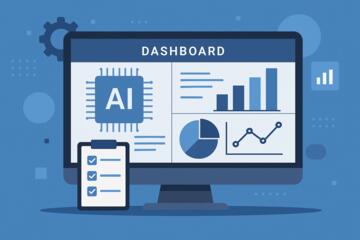
Data analytics provides a clear picture of what’s working — and what’s not. Tools like Tableau, Power BI, and Monday.com dashboards give managers the evidence needed to pivot quickly.
2. Enhanced Predictability
AI-based forecasting models can predict risks, cost overruns, and delivery delays before they happen. Gartner predicts that by 2026, 70% of PMOs will rely on predictive analytics to guide project outcomes.
3. Transparency and Accountability
Data dashboards ensure everyone — from executives to developers — sees the same numbers, creating alignment and trust.
4. Efficient Resource Allocation
Metrics on workload, utilization, and performance help optimize how teams are staffed, avoiding burnout or underutilization.
5. Continuous Improvement
Historical data enables teams to conduct meaningful post-project reviews and implement improvements in future cycles.
Key Metrics for Data-Driven Project Management
Tracking the right metrics is at the heart of successful data-driven management. Here are some core categories to monitor:
1. Time and Schedule Metrics
-
Schedule Variance (SV): Measure if the project is ahead or behind schedule.
-
Planned vs. Actual Duration: Identify bottlenecks early.
2. Cost Metrics
-
Cost Performance Index (CPI): Compare earned value to actual cost.
-
Budget Variance: Detect overspending trends in real-time.
3. Quality Metrics
-
Defect Density: Track the number of issues per deliverable.
-
Customer Satisfaction Scores: Measure quality from the end-user’s perspective.
4. Team Performance Metrics
-
Velocity (Agile projects): Assess how much work a team completes per sprint.
-
Resource Utilization Rate: Ensure workload balance across team members.
5. Risk and Compliance Metrics
-
Risk Severity Index: Quantify the impact and likelihood of potential risks.
-
Change Request Frequency: Monitor project stability and scope creep.
How to Implement Data-Driven Project Management
Step 1: Define Clear, Measurable Goals
Start by identifying what success looks like. Instead of vague goals like “deliver faster,” set measurable KPIs such as:
-
Complete 95% of tasks on time.
-
Maintain project costs within 10% of the budget.
Use frameworks like SMART (Specific, Measurable, Achievable, Relevant, Time-bound) to ensure precision.
Step 2: Choose the Right Tools
Implement tools that can collect, visualize, and analyze project data efficiently.
Popular tools include:
-
Jira: Best for Agile teams managing sprints and backlogs.
-
Asana or Trello: Great for small-to-medium teams tracking progress visually.
-
Microsoft Power BI / Tableau: Ideal for data analytics and performance dashboards.
-
Wrike: Combines project management with workload analytics.
When choosing, consider:
-
Integration with your current systems.
-
Real-time reporting capabilities.
-
Scalability for future projects.
Step 3: Build a Data Culture
Technology is only part of the equation. Encourage a data-first mindset across your organization.
Tips to foster this culture:
-
Train your team on using analytics dashboards.
-
Communicate insights visually, not just numerically.
-
Reward data-driven decisions, even when outcomes aren’t perfect.
Example: At Siemens, project teams undergo “data literacy” workshops to improve analytical skills across all departments.
Step 4: Collect and Validate Data
Accurate data collection is critical. Automate wherever possible to avoid human errors.
-
Use IoT sensors or software logs for operational projects.
-
Standardize data entry formats.
-
Schedule data audits weekly to validate accuracy.
According to Harvard Business Review, 47% of managers make decisions based on outdated or incomplete data — a costly mistake you can prevent through routine validation.
Step 5: Analyze and Visualize Insights
Once you have reliable data, use dashboards and visual reports to spot trends quickly.
For example:
-
Power BI helps visualize cost vs. schedule trends in real time.
-
Tableau can track risk heat maps for multi-phase projects.
Turn insights into action by setting automated alerts — e.g., if CPI falls below 0.9, trigger a resource reassessment.
Step 6: Use Predictive Analytics
Modern tools integrate AI and machine learning to forecast outcomes based on historical data.
Examples:
-
Predict potential schedule delays using past sprint velocities.
-
Forecast budget overruns using variance analysis models.
Companies like Accenture and IBM use predictive analytics to achieve up to 95% schedule accuracy in complex IT projects.
Step 7: Review and Optimize
Post-project analysis is essential for continuous improvement. Conduct a “data retrospective” covering:
-
What metrics aligned with goals.
-
Where deviations occurred and why.
-
How future workflows can be optimized.
Document these insights in a centralized knowledge base to inform future initiatives.
Common Mistakes in Data-Driven Project Management
-
Collecting Too Much Data:
Focus on relevant KPIs — not vanity metrics that clutter dashboards. -
Neglecting Context:
Data alone isn’t insight. Combine quantitative metrics with qualitative feedback. -
Ignoring Data Quality:
Bad data leads to bad decisions. Implement validation checks and source audits. -
Lack of Executive Support:
Without leadership buy-in, data initiatives often fail to scale organization-wide. -
Failure to Act:
Insights are useless if not translated into concrete actions.
Top Tools for Data-Driven Project Management
| Tool | Best For | Key Features |
|---|---|---|
| Asana | Task management | Goal tracking, real-time dashboards, workload balance |
| Jira Software | Agile & DevOps teams | Sprint metrics, velocity charts, issue tracking |
| Power BI | Data visualization | Custom KPIs, AI insights, integration with Excel |
| ClickUp | All-in-one solution | Time tracking, Gantt charts, project analytics |
| Smartsheet | Enterprise projects | Automation workflows, resource reporting, budget management |
Each of these tools enables teams to connect data from multiple sources, visualize progress, and make informed decisions quickly.
Author’s Insight
When I transitioned from traditional project management to a data-driven approach, the difference was immediate.
One project I led—a digital transformation initiative for a retail brand—was running over budget by 18%. Once we integrated Power BI dashboards, we discovered the real issue: low resource utilization in two departments. Within a month, reassigning workload based on data insights reduced delays and saved nearly $250,000 in costs.
The key takeaway? Numbers tell stories, but only if you’re willing to listen and act on them.
Conclusion: Turning Data into Your Competitive Edge
Data-driven project management isn’t about drowning in numbers — it’s about using information strategically to improve outcomes. By tracking key metrics, leveraging analytics tools, and fostering a data-centric culture, your team can deliver projects faster, more efficiently, and with higher stakeholder satisfaction.
In a world where every decision counts, let your data guide the way.
Adopt a data-driven mindset today — and turn every project into a measurable success story.