What Is Predictive Logistics and Why It Matters
Predictive logistics is a data-driven approach to preventing supply chain disruptions before they occur. It uses AI, machine learning, and predictive analytics to forecast risks such as delays, equipment failures, or demand spikes.
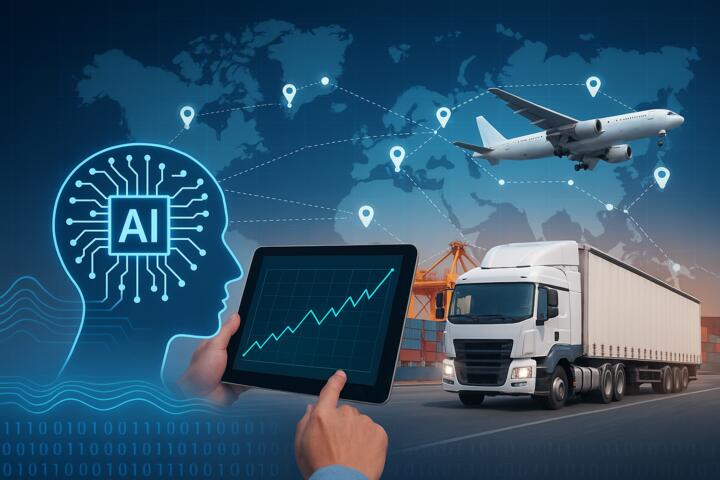
In a world where a single bottleneck can cost millions, companies like Amazon and DHL Supply Chain rely on predictive logistics to maintain seamless operations. By analyzing patterns in weather data, shipment histories, and production cycles, businesses can anticipate problems and act before damage occurs.
How Predictive Logistics Works
1. Data Collection and Integration
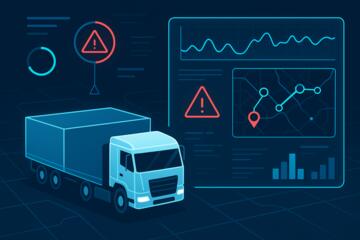
Predictive logistics starts with real-time data. Sensors, GPS trackers, ERP systems, and IoT devices feed continuous information into centralized platforms.
This data includes:
-
Vehicle locations and fuel levels
-
Warehouse temperature and humidity
-
Traffic and weather conditions
-
Supplier lead times
Modern platforms like IBM Sterling Supply Chain Intelligence Suite and SAP Integrated Business Planning merge these streams into a unified dashboard for visibility.
2. Predictive Modeling and Machine Learning
AI models detect early signs of disruption. For example, a temperature deviation in a refrigerated truck may trigger an alert predicting spoilage risk.
Machine learning algorithms also learn from historical data—if a certain port consistently delays shipments in winter, the system automatically adjusts future routing.
3. Scenario Simulation and Decision Automation
Advanced predictive systems simulate “what-if” scenarios.
For example, Maersk uses digital twins of supply chains to test how different conditions—such as labor strikes or weather events—affect delivery times.
These simulations allow managers to make data-backed decisions instantly.
Benefits of Predictive Logistics for Businesses
Reduced Operational Costs
By identifying potential issues early, companies can prevent expensive downtime and rescheduling. According to McKinsey, predictive logistics can cut supply chain costs by up to 15% through optimized planning.
Improved Delivery Performance
Predictive routing ensures goods arrive on time, improving customer satisfaction and loyalty. Amazon Prime uses predictive systems to anticipate demand surges and position inventory accordingly.
Stronger Supplier Relationships
Predictive analytics enhance transparency. When partners share data, everyone benefits from fewer surprises and smoother collaboration.
Enhanced Sustainability
Optimized routes and proactive maintenance reduce fuel consumption and emissions. This not only cuts costs but also supports ESG goals, which are now a key performance metric in global logistics.
Real-World Examples of Predictive Logistics
DHL: Smart Logistics Centers
DHL’s smart warehouses use AI to forecast demand and allocate labor dynamically. Their “Resilience360” platform predicts global supply chain risks, from hurricanes to political unrest.
Rakuten Super Logistics
Rakuten integrates predictive inventory systems that forecast SKU-level demand across fulfillment centers. This enables same-day shipping for thousands of eCommerce clients.
IBM and The Weather Company
IBM’s partnership with The Weather Company powers predictive logistics for cold-chain industries. Real-time forecasts help companies reroute perishable goods to avoid spoilage.
Hilton Hotels Supply Chain
Hilton applies predictive analytics to manage linen, food, and amenity deliveries across 6,500 properties worldwide—reducing waste and stockouts.
How to Implement Predictive Logistics in Your Business
Step 1: Audit Your Current Supply Chain Data
Start by identifying all available data sources: ERP, CRM, transport logs, and warehouse sensors. Evaluate their accuracy and timeliness.
Step 2: Choose the Right Predictive Analytics Tools
Select scalable tools that integrate seamlessly with your existing systems. Popular choices include:
-
Oracle SCM Cloud – for real-time demand forecasting
-
Kinaxis RapidResponse – for scenario simulation
-
Infor Nexus – for multi-enterprise collaboration
Step 3: Train AI Models Using Historical Data
Feed the system with at least 12–24 months of historical data. Include seasonal demand, lead times, and delivery success rates. The richer your dataset, the more accurate your predictions.
Step 4: Build an Early Warning Dashboard
Set up alerts for anomalies such as:
-
Supplier delays
-
Inventory shortages
-
Route congestion
-
Equipment maintenance deadlines
Dashboards should provide actionable insights, not just raw data.
Step 5: Foster a Data-Driven Culture
Predictive logistics works best when embraced company-wide. Train teams to interpret data, respond quickly, and collaborate with suppliers based on predictive insights.
Common Mistakes to Avoid
-
Ignoring Data Quality
Bad data leads to bad predictions. Ensure consistency and accuracy before training your models. -
Over-Reliance on Technology
AI supports human judgment—it doesn’t replace it. Use predictive insights as guidance, not as final decisions. -
Lack of Cross-Departmental Alignment
If procurement, logistics, and sales teams don’t share the same data, predictions become fragmented. -
No Contingency Plans
Predictive analytics can’t prevent every disruption. Always prepare backup suppliers and alternative routes.
The Role of AI and IoT in Predictive Logistics
Artificial Intelligence
AI analyzes billions of data points faster than any human team could. It spots correlations—like how fuel prices influence shipment delays—providing decision-makers with instant insights.
Internet of Things (IoT)
IoT sensors provide continuous visibility. Smart pallets and GPS-enabled containers track goods through every leg of the journey. This ensures transparency across the entire supply chain ecosystem.
Together, AI and IoT create a self-correcting network where disruptions are predicted, not discovered.
Author’s Insight
As someone who’s worked with logistics automation projects, I’ve seen predictive analytics shift the mindset from reactive firefighting to proactive planning. One project involved integrating IoT sensors into a regional delivery fleet. Within six months, the company reduced cold-chain losses by 28%.
The key lesson? Predictive logistics isn’t about technology alone—it’s about trusting data and empowering teams to act on it confidently.
Conclusion
Predictive logistics is redefining how modern businesses prevent supply chain disruptions. By combining AI, IoT, and data analytics, organizations can anticipate risks, adapt to changes, and maintain uninterrupted operations.
Companies like DHL, IBM, and Rakuten already prove that predictive systems drive efficiency and resilience. For any business aiming to future-proof its logistics, predictive logistics isn’t just an upgrade—it’s a necessity.
Start by assessing your data, adopting the right tools, and nurturing a proactive culture. The future of logistics belongs to those who can predict and prevent disruptions before they strike.