Understanding Supply Chain Management: Key Components and Best Practices

Supply chain management involves the coordination and integration of various activities that transform raw materials into finished products and deliver them to customers. Effective supply chain management is essential for maintaining operational efficiency, reducing costs, and meeting customer demands. Here are the key components and best practices for optimizing your supply chain:

  1. Procurement:

    • Key Components: Supplier selection, contract negotiation, and purchase order management.
    • Best Practices: Establish strong supplier relationships, implement automated procurement processes, and conduct regular supplier performance reviews.
  2. Inventory Management:

    • Key Components: Stock level monitoring, demand forecasting, and inventory turnover.
    • Best Practices: Use real-time inventory tracking, set optimal reorder points, and implement just-in-time inventory strategies to reduce holding costs.
  3. Production:

    • Key Components: Manufacturing processes, quality control, and production scheduling.
    • Best Practices: Optimize production schedules, implement lean manufacturing principles, and use technology to monitor and improve production efficiency.
  4. Warehousing:

    • Key Components: Storage, picking and packing, and order fulfillment.
    • Best Practices: Utilize automated warehouse management systems, optimize warehouse layout, and implement barcode scanning for accurate inventory tracking.
  5. Transportation and Logistics:

    • Key Components: Shipping, route planning, and carrier management.
    • Best Practices: Optimize transportation routes, negotiate competitive carrier rates, and use real-time shipment tracking to enhance delivery reliability.
  6. Demand Planning:

    • Key Components: Forecasting, demand sensing, and inventory planning.
    • Best Practices: Use advanced forecasting tools, collaborate with sales and marketing teams, and regularly update demand plans to reflect market changes.
  7. Customer Service:

    • Key Components: Order processing, customer communication, and returns management.
    • Best Practices: Provide timely order updates, offer multiple communication channels, and implement efficient returns processes to enhance customer satisfaction.
  8. Risk Management:

    • Key Components: Supply chain disruptions, regulatory compliance, and contingency planning.
    • Best Practices: Conduct regular risk assessments, develop contingency plans, and ensure compliance with industry regulations to mitigate supply chain risks.

By focusing on these key components and implementing best practices, businesses can significantly enhance their supply chain operations. This leads to improved efficiency, reduced costs, and increased customer satisfaction, ultimately driving business growth and success.


Related Articles

Automating Logistics Paperwork with AI

Discover how automating logistics paperwork with AI is transforming freight operations, reducing compliance risks, and accelerating shipping workflows. Learn how machine learning, OCR, and intelligent document processing streamline bills of lading, invoices, customs forms, and delivery confirmations. Explore real examples, essential tools, implementation steps, and expert insights to modernize your logistics operations with AI-driven automation today.

logistics

smartaihelp_net.pages.index.article.read_more

Smart Warehouses: AI Inventory Management Systems

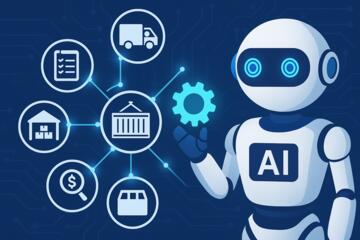
Discover how AI inventory management systems are transforming smart warehouses with real-time analytics, automation, and predictive insights. Learn how companies like Amazon, DHL, and Siemens leverage artificial intelligence to reduce errors, optimize storage, and boost efficiency. Explore the top AI warehouse technologies, key features to look for, and expert insights on implementing a future-ready smart inventory management strategy.

logistics

smartaihelp_net.pages.index.article.read_more

The Future of Autonomous Freight Transport

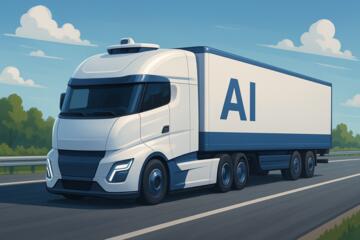
Explore the future of autonomous freight transport and learn how self-driving trucks, AI-powered logistics systems, and automated delivery fleets are reshaping global supply chains. Discover real examples from Tesla, Volvo, Aurora, and Amazon, understand the challenges and opportunities, and get actionable insights for businesses preparing to adopt autonomous freight solutions. Stay ahead of the transformation and unlock new efficiencies in transportation.

logistics

smartaihelp_net.pages.index.article.read_more

CRM and Logistics Integration: Common Pitfalls and Fixes

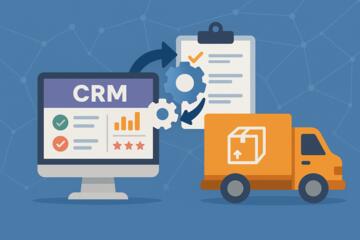
Discover the most common pitfalls companies face when integrating CRM and logistics systems—and how to fix them using automation, API best practices, data governance, and AI-driven optimization. Learn how brands like DHL, Amazon, Salesforce, HubSpot, and SAP streamline operations by syncing sales and delivery workflows. This complete guide offers practical solutions, expert insights, and actionable steps to ensure smooth CRM–logistics integration.

logistics

smartaihelp_net.pages.index.article.read_more

Latest Articles

Real-Time Cargo Tracking with Artificial Intelligence

Discover how real-time cargo tracking with artificial intelligence is transforming global logistics by improving shipment visibility, reducing delays, preventing cargo loss, and optimizing supply chain performance. Learn how companies like Maersk, DHL, and Amazon use AI-powered sensors, predictive analytics, and automated alerts to enhance transparency. Explore implementation steps, common mistakes, and practical tools to start modernizing your logistics operations today.

logistics

Read »

Smart Warehouses: AI Inventory Management Systems

Discover how AI inventory management systems are transforming smart warehouses with real-time analytics, automation, and predictive insights. Learn how companies like Amazon, DHL, and Siemens leverage artificial intelligence to reduce errors, optimize storage, and boost efficiency. Explore the top AI warehouse technologies, key features to look for, and expert insights on implementing a future-ready smart inventory management strategy.

logistics

Read »

Predictive Logistics: Preventing Supply Chain Disruptions

Discover how predictive logistics uses AI, data analytics, and IoT to prevent costly supply chain disruptions. Learn how global leaders like DHL, IBM, and Amazon predict delays, optimize routes, and improve efficiency. Build a resilient, future-ready logistics network that anticipates problems before they occur. Start transforming your supply chain today with predictive technology and smarter data-driven decisions.

logistics

Read »