Beyond Manual Metrics: The Era of Algorithmic Workforce Insights
The shift toward AI-driven performance evaluation isn't just about automation; it’s about moving from subjective snapshots to objective narratives. In a typical manual setup, a manager might remember a mistake made two weeks ago but forget a major win from six months prior. AI systems ingest data from Slack, GitHub, Jira, and CRM platforms to build a comprehensive map of an employee’s contributions. For instance, a software engineering lead can use tools that analyze "code churn" and "impact" rather than just counting commits. This reveals who is solving the most complex architectural problems versus who is simply writing the most lines of boilerplate code. According to a 2024 Deloitte study, organizations using high-maturity people analytics are 1.4 times more likely to outperform their financial targets. Furthermore, Gartner reports that 81% of HR leaders have already implemented or are planning to implement AI to improve internal talent mobility and performance tracking.

The Critical Failure of Legacy Evaluation Models
Most companies still rely on the "Annual Review," a process fraught with cognitive biases and administrative friction. Managers spend an average of 210 hours a year on performance management activities, yet a Gallup poll found only 14% of employees agree their performance reviews inspire them to improve. The core issue is "Recency Bias"—the tendency to over-emphasize the most recent events. This creates a culture of "performance theater" where employees work harder only in the month leading up to the review. Additionally, "Central Tendency Bias" leads managers to rate everyone as "average" to avoid difficult conversations or budget disputes, effectively punishing top performers. When feedback is delayed by months, the opportunity for course correction is lost. This leads to "disengagement drift," where high-potential employees leave because they feel their specific contributions are invisible to leadership.
Strategies for Implementing Data-Centric Evaluation Frameworks
Leveraging Natural Language Processing for Bias Mitigation
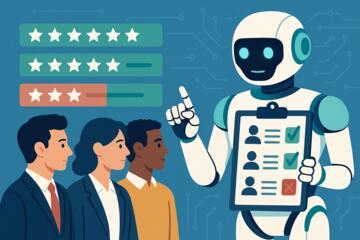
NLP engines like those found in Lattice or Culture Amp analyze the sentiment and language used in 360-degree feedback. These systems flag "gendered language" or "unconscious bias" in real-time. For example, if a manager describes a male employee as "assertive" but a female employee as "aggressive" for the same behavior, the AI prompts a review of the phrasing. This ensures that evaluations are based on behavioral competencies rather than personality traits.
Predictive Analytics for Proactive Retention
Modern platforms use "flight risk" algorithms to identify patterns associated with turnover. By analyzing engagement scores, vacation patterns, and project completion rates, AI can alert HR when a top performer's behavior mimics those who have recently resigned. SAP SuccessFactors utilizes these predictive models to allow managers to intervene with stay interviews or role adjustments before the employee actually checks out.
Continuous Feedback Loops through Integration
Rather than a standalone portal, AI evaluations should live where work happens. Tools like 15Five integrate with Slack to prompt weekly "check-ins." The AI aggregates these micro-updates into a quarterly trend report. This reduces the "heavy lifting" of review season by 70%, as 80% of the data is already pre-populated from weekly successes and challenges documented throughout the period.
Skill Gap Analysis via Machine Learning
Platforms like Gloat or Fuel50 create "Internal Talent Marketplaces." By analyzing the delta between an employee's current performance and the requirements for a promotion, the AI generates personalized learning paths. This turns the evaluation from a "grade" into a "roadmap," showing exactly which Coursera or LinkedIn Learning modules will bridge the gap to the next salary grade.
Objective Productivity Benchmarking
For sales and support roles, AI-driven systems like Gong or Chorus analyze recorded calls and CRM data to rank performance based on "outcome-driven" metrics. Instead of just looking at revenue, the AI identifies that a top performer spends 15% more time listening than talking. These specific insights can then be used to coach underperformers, resulting in a documented 20% increase in win rates for teams adopting AI coaching.
Dynamic Goal Alignment and OKR Tracking
Static goals often become irrelevant within three months. AI-driven OKR (Objectives and Key Results) platforms like WorkBoard use machine learning to suggest adjustments to goals based on market shifts or team capacity. If a project is lagging, the system flags the bottleneck to the manager immediately, rather than waiting for a quarterly review to discover the project is off track.
Real-World Impact: Organizational Success Stories
Case Study 1: Global Tech Services Firm A mid-sized IT consultancy with 1,200 employees struggled with a 25% annual turnover rate among junior developers. They implemented an AI-driven "continuous pulse" system that tracked peer recognition and Jira throughput. * **The Action:** The system identified that junior devs were burning out due to "unplanned work" (bug fixes) that wasn't being recognized in manual reviews. * **The Result:** Management redistributed the workload and introduced a "Shadow Credits" reward system. Turnover dropped to 12% within 18 months, saving an estimated $2.4 million in recruitment costs. Case Study 2: Regional Retail Banking Giant A bank used AI to evaluate the performance of loan officers by looking beyond "loan volume" to "long-term loan health" and "customer sentiment." * **The Action:** The AI discovered that the highest-volume officers actually had the highest default rates 24 months later. * **The Result:** They adjusted their performance algorithm to weight "risk-adjusted returns." This led to a 15% improvement in portfolio quality over two years.
Comparing Performance Management Methodologies
| Feature | Traditional Manual Review | AI-Driven System | Hybrid Approach |
|---|---|---|---|
| Feedback Frequency | Annual or Bi-Annual | Real-time / Weekly | Monthly Check-ins |
| Data Sources | Manager's memory / Notes | Jira, Slack, CRM, Email, Peers | Manager + Digital Pulse |
| Bias Risk | High (Subjective) | Low (Algorithmic) | Moderate (Balanced) |
| Primary Goal | Compliance & Salary Audit | Growth & Skill Optimization | Performance Alignment |
| Implementation Cost | Low (Internal labor high) | Moderate to High (Software cost) | Moderate |
Common Pitfalls in Algorithmic Evaluations
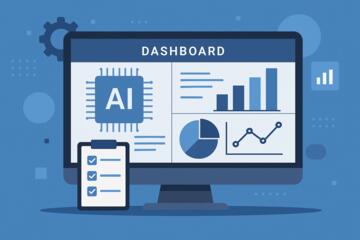
One major mistake is treating AI as the "Judge" rather than the "Assistant." If employees feel a "black box" algorithm determines their bonus, trust evaporates. Transparency is key; employees must know exactly which metrics are being tracked and how they are weighted. Another error is "Data Overload." Managers can become paralyzed by too many dashboards. The best systems, like Betterworks, distill complex data into "Actionable Insights"—telling the manager exactly which three employees need a 1-on-1 meeting this week and why. Finally, ignoring "Soft Skills" is a common trap. AI is great at measuring output but less effective at measuring "culture-building" or "mentorship." To avoid this, ensure your AI system includes a robust 360-degree peer review component where human colleagues can validate the "how" behind the "what."
Frequently Asked Questions
Does AI performance tracking violate employee privacy? Most enterprise-grade tools (like Microsoft Viva) anonymize data or aggregate it to protect individual privacy while still providing leadership with high-level trends. Always ensure GDPR or CCPA compliance before rollout. Can AI replace the manager in the review process? No. AI provides the data and identifies patterns, but the "Human-in-the-Loop" is essential for providing empathy, context, and career coaching that an algorithm cannot replicate. How long does it take to see a ROI from AI evaluation systems? Most companies report significant improvements in employee engagement scores within 6 months and a reduction in regrettable turnover within 12 to 18 months. Is this only for large tech companies? No. Small to mid-sized businesses often benefit more because they lack large HR departments. Automated tools like BambooHR or Gusto offer AI features that handle the heavy lifting for smaller teams. How does AI handle "low-data" roles like Creative or Admin? In these roles, AI focuses more on peer feedback (NLP) and project milestone completion rather than raw output metrics like "lines of code" or "sales calls."
Author’s Insight
In my years consulting for Fortune 500 HR departments, I’ve seen that the most successful AI adoptions are those that frame the technology as a "Career GPS" for the employee. When people see the system as a tool that helps them get promoted faster by highlighting their wins, they embrace it. If they see it as "Big Brother," they will find ways to game the system. My advice: start with one department as a pilot, be radically transparent about the metrics, and always give humans the final say in any performance-related decision.
Conclusion
Transitioning to AI-driven performance evaluation is no longer an optional "tech upgrade"—it is a strategic necessity for staying competitive in a remote and hybrid work environment. By replacing biased, infrequent reviews with continuous, data-backed insights, organizations can foster a culture of transparency and meritocracy. To begin, audit your current data sources, select a platform that integrates with your existing tech stack, and focus on turning data into developmental conversations. Stop looking backward at what happened last year and start using AI to predict and build the workforce you need for tomorrow.```