Introduction: The Future of HR Is Intelligent
In today’s competitive business environment, automating HR processes with artificial intelligence is no longer optional—it’s essential. From recruiting top talent to managing performance, HR departments are embracing AI to streamline workflows, save time, and make smarter decisions.
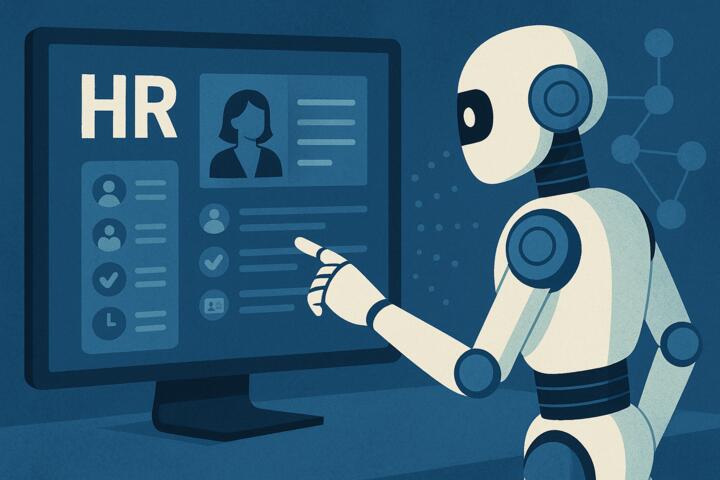
According to Deloitte’s Global Human Capital Trends Report (2024), more than 60% of organizations have already implemented some form of HR automation. AI-driven tools help HR teams handle repetitive tasks, analyze workforce data, and create a more personalized employee experience.
Simply put, AI is turning HR from an administrative function into a strategic powerhouse.
What Is HR Process Automation and Why It Matters
HR automation refers to the use of artificial intelligence, machine learning, and data analytics to manage repetitive, time-consuming human resource tasks. Instead of manual spreadsheets and email chains, companies now use AI-powered platforms to streamline:
-
Recruitment and candidate screening
-
Employee onboarding
-
Payroll and attendance tracking
-
Performance management
-
Learning and development
-
Employee engagement and retention
When done correctly, AI doesn’t replace HR professionals—it empowers them to focus on strategy, culture, and people, rather than paperwork.
How Artificial Intelligence Transforms HR Operations
1. Smarter Recruitment and Talent Acquisition
Recruiting is one of the most resource-intensive HR functions. AI helps automate everything from sourcing to screening.
Tools like HireVue, LinkedIn Talent Insights, and SmartRecruiters use AI algorithms to:
-
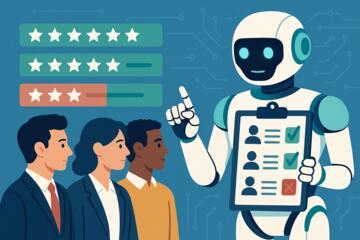
Analyze resumes and match candidates to job descriptions.
-
Predict cultural fit and likelihood of success.
-
Schedule interviews automatically via chatbots.
For example, Unilever implemented an AI-powered hiring system using Pymetrics, which reduced hiring time by 75% and improved diversity by removing unconscious bias from the screening process.
2. Streamlined Employee Onboarding
AI-based onboarding platforms like Leena AI or Workday provide personalized experiences for new hires. Chatbots answer FAQs, guide employees through paperwork, and recommend tailored training modules.
This automation shortens the ramp-up time, ensuring new hires feel engaged from day one. According to SHRM, effective onboarding improves retention by 82%—AI simply makes it scalable.
3. Performance Management and Feedback
Gone are the days of annual reviews that no one enjoys. AI tools now deliver continuous performance insights.
Solutions like Lattice, Betterworks, and 15Five analyze data from project management and collaboration tools (like Slack or Jira) to identify productivity trends, flag burnout risks, and suggest skill-building opportunities.
This helps managers provide real-time feedback rather than relying on outdated performance reports.
4. Employee Engagement and Well-being
AI-powered platforms such as CultureAmp and Peakon track employee sentiment through pulse surveys and natural language analysis.
They detect early warning signs of disengagement or turnover, allowing HR to take proactive steps. For instance, Hilton Hotels uses AI chatbots to handle employee inquiries 24/7, freeing HR staff for higher-value tasks.
5. Payroll, Compliance, and Benefits Management
Automation tools like ADP, Gusto, and BambooHR simplify payroll calculations, benefits management, and compliance reporting.
These platforms use AI to detect anomalies, flag potential compliance issues, and automatically generate audit-ready reports—saving countless hours during tax season.
The Business Benefits of Automating HR Processes
Implementing AI in HR is more than a productivity boost—it’s a competitive advantage. Here are key benefits supported by real-world data:
-
Time Savings:
AI reduces administrative workload by up to 40% (source: McKinsey). -
Improved Accuracy:
Automation minimizes human error in payroll and compliance tasks. -
Cost Efficiency:
According to PwC, companies can cut HR operational costs by up to 30% through automation. -
Enhanced Decision-Making:
Predictive analytics enable data-driven talent planning and retention strategies. -
Better Employee Experience:
Faster responses, personalized training, and clear communication improve satisfaction and engagement.
Practical Steps to Automate HR with AI
1. Audit Your Current HR Workflows
Identify repetitive tasks consuming the most time—such as resume screening, attendance tracking, or data entry. Prioritize automation where the ROI is highest.
2. Choose the Right AI Tools
Match tools to your company size and needs. For example:
-
Startups: Gusto, Deel, or Freshteam.
-
Mid-size firms: Workday, BambooHR, or Zoho People.
-
Enterprises: SAP SuccessFactors or Oracle HCM Cloud.
3. Integrate Systems
Connect HR automation tools with existing systems (CRM, ERP, payroll) to ensure seamless data flow and eliminate manual imports.
4. Train Your HR Team
AI adoption works only when your HR professionals understand how to use it. Offer training on interpreting AI insights and managing exceptions.
5. Ensure Data Privacy and Compliance
Always comply with GDPR, HIPAA, and regional labor laws. Partner with vendors that provide strong encryption and transparent data policies.
Common Mistakes to Avoid in HR Automation
-
Automating Without Strategy:
Don’t automate for the sake of trendiness. Start with a clear goal—like reducing turnover or improving hiring speed. -
Ignoring Employee Feedback:
Technology should enhance, not alienate. Always test new systems with pilot groups. -
Over-Reliance on AI Decisions:
AI should inform—not replace—human judgment. Maintain oversight for fairness and ethics. -
Underestimating Change Management:
Prepare your workforce for digital transformation through communication and gradual implementation. -
Skipping Continuous Improvement:
AI systems evolve. Regularly update algorithms and review performance metrics.
AI and HR Analytics: Turning Data into Strategy
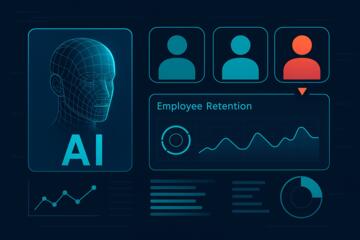
AI’s biggest strength in HR isn’t just automation—it’s analytics. Predictive models can forecast:
-
Which employees are likely to leave.
-
Which training modules improve performance.
-
How compensation changes affect retention.
For example, IBM Watson AI helps HR teams analyze millions of data points to predict employee turnover with 95% accuracy. This allows HR leaders to take preventive action before valuable talent leaves.
Similarly, Google’s People Analytics team uses machine learning to identify what makes great managers and replicate those traits company-wide.
The Ethical Side of AI in HR
Automation in HR raises important ethical questions. How do we ensure fairness, transparency, and privacy?
AI systems can unintentionally perpetuate bias if trained on unbalanced data. To mitigate this:
-
Audit algorithms regularly.
-
Use diverse training datasets.
-
Involve multidisciplinary teams (HR, IT, ethics, and legal).
-
Maintain “human-in-the-loop” oversight for all major decisions.
Leading organizations like Accenture and Harvard Business School emphasize ethical AI frameworks to ensure fairness and accountability in HR applications.
Author’s Insight
As an HR consultant who has helped companies transition to AI-driven systems, I’ve seen both the excitement and the hesitation firsthand.
One mid-sized client, struggling with manual onboarding and compliance errors, implemented BambooHR’s AI features to automate workflows. Within three months, onboarding time dropped by 60%, and employee satisfaction rose noticeably.
The key lesson? AI doesn’t replace people—it enhances their impact. When HR teams embrace automation, they spend less time on paperwork and more on nurturing talent and culture.
Conclusion: AI Is Redefining the Future of HR
Automating HR processes with artificial intelligence is no longer a futuristic concept—it’s a practical, measurable way to transform the employee experience and boost business performance.
From hiring to payroll, AI helps HR teams make faster, smarter, and fairer decisions. By combining automation with human empathy and ethical oversight, companies can build more resilient, data-driven, and people-centered organizations.
Embrace HR automation today, and your organization will be ready for the future of work tomorrow.